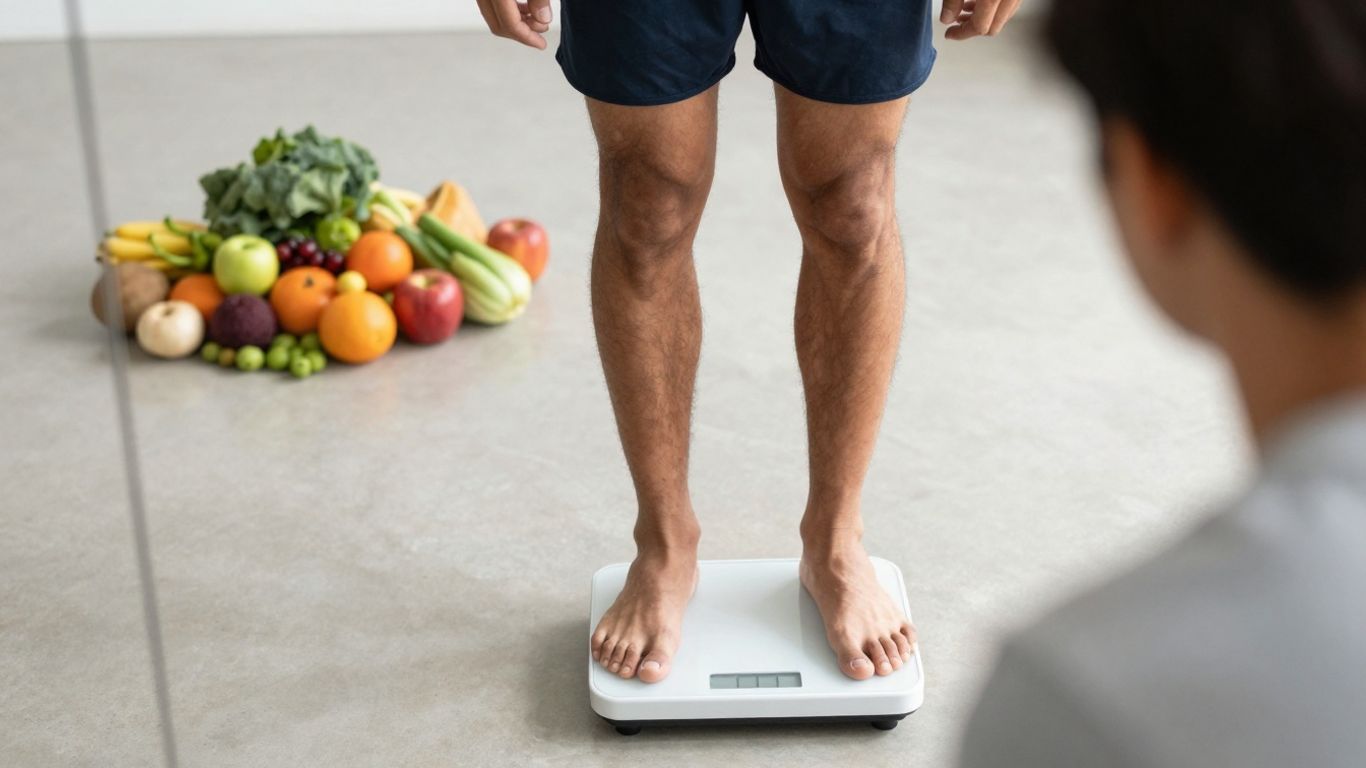
With the new year approaching, many of us are thinking about resolutions. It might surprise you to learn that 40% of people still make New Year’s resolutions. However, if your goal is weight loss, there’s a tough statistic to face: over 90% of these resolutions fail. This often happens because people try to change too much at once. Studies show that making too many big changes simultaneously is a recipe for failure. The key to success lies in making small, sustainable changes that you can actually stick with.
Key Takeaways
- Focus on simple, sustainable changes: Avoid overwhelming yourself with too many new habits at once.
- Intermittent fasting can be effective: Skipping breakfast is a common strategy that works for many.
- Incorporate fiber and protein: These nutrients help with satiety and blood sugar control.
- Increase daily movement: Aim for 10,000 steps a day to support fat loss and reduce stress.
Skipping Breakfast: A Controversial but Effective Strategy
One of the most effective ways to kickstart weight loss is to skip breakfast. While some experts debate this, especially concerning hormonal health and cortisol levels, the evidence for intermittent fasting (IF) in weight loss is strong. A large meta-analysis found IF works as well as, or even better than, traditional dieting for shedding pounds.
Making skipping breakfast a daily habit can create a new, simple rhythm for your body. Start by pushing your breakfast back an hour each day until you reach noon. Aiming for a 15-hour fasting window daily can significantly help with weight loss.
Why skipping breakfast works well for compliance:
- Morning Routine: We’re generally better at sticking to routines in the morning. Waking up, having coffee, and delaying breakfast is often easier than managing evening eating habits with their many variables (stress, social events, late-night snacks).
When skipping breakfast might not be ideal:
- High Cortisol Levels: If you’re chronically stressed, your cortisol levels are already high. Adding fasting on top of this morning cortisol spike can create a "triple whammy" that negatively impacts hormonal health. In such cases, skipping dinner might be a better alternative.
Ultimately, your fasting window is personal. If weight loss is your primary goal, skipping breakfast is often a simpler path. However, if you’re an extreme athlete needing morning fuel or dealing with chronic stress, adjusting your fasting window might be necessary.
The Power of Fiber and Protein
Replacing one meal a day with a big salad is another powerful strategy. Fiber acts as a "net" for glucose, slowing down sugar spikes after eating. This means your pancreas needs to produce less insulin, helping you stay more insulin-sensitive.
Why fiber is important for weight loss:
- Slows Glucose Absorption: Reduces the impact of sugar on your body.
- Less Insulin Needed: Helps maintain hormonal balance.
- Increases Satiety: Makes you feel fuller for longer.
When building your salad, don’t forget to add high-quality protein. Aim for 20-40 grams of protein with each meal. Protein is the most filling macronutrient, helping to curb hunger and keep you satisfied throughout the day.
Great sources of fiber include:
- Vegetables: Cucumbers, carrots, tomatoes, celery, artichoke hearts
- Legumes: Beans, lentils, chickpeas
- Other: Edamame, quinoa, sweet potatoes, sauerkraut, kimchi
Adding healthy fats like olive oil to your salad is also beneficial. Olive oil is rich in polyphenols that feed beneficial gut microbes, which play a role in regulating blood sugar. A healthy microbiome is key for weight management, especially if you’ve taken antibiotics or birth control.
Protein Pacing: The Ultimate Weight Loss Tool
Protein pacing involves ensuring you get 20-40 grams of protein at every meal. Studies show that combining intermittent fasting with protein pacing significantly outperforms traditional low-calorie diets for weight loss. This strategy is effective for two main reasons:
- Satiety: Protein keeps you feeling full, making it easier to stick to healthy eating habits throughout the day.
- Thermogenesis: Your body uses more energy to digest protein compared to fats or carbs, which can help speed up your metabolism.
Research indicates that the group practicing intermittent fasting with protein pacing experienced twice the overall weight loss and belly fat loss, along with a greater reduction in appetite, compared to those on a standard calorie-counting diet.
Track Your Daily Steps
Don’t underestimate the power of tracking your daily steps. While the gym can be intimidating, aiming for 10,000 steps a day is a more accessible and sustainable form of exercise for many. Simply tracking your steps can increase your daily count significantly.
Benefits of walking:
- Fat Loss: Walking is a great activity for shedding fat.
- Overall Health: Studies show that walking 7,000 steps a day is linked to a lower risk of all-cause mortality, cardiovascular disease, cancer, dementia, depression, type 2 diabetes, and falls.
- Cortisol Reduction: The rhythmic motion of walking calms the brain and helps lower cortisol levels. Since high cortisol can lead to weight gain, especially around the belly, walking is a powerful tool for managing stress and promoting fat loss.
Putting It All Together
To recap, if you need to drop 25 pounds fast in 2026, focus on these four simple, sustainable habits:
- Skip Breakfast: Engage in intermittent fasting, aiming for a 15-17 hour window, especially if you’re not chronically stressed or a high-intensity morning exerciser.
- Eat a Big Salad: Incorporate fiber into one meal a day to help manage blood sugar and increase fullness.
- Practice Protein Pacing: Ensure every meal contains 20-40 grams of protein to maximize satiety and metabolism.
- Track Your Steps: Aim for 7,000-10,000 steps daily to support fat loss and reduce stress.
These strategies are designed to be manageable and effective, helping you finally achieve your weight loss goals. Remember, weight loss isn’t as hard as it seems when you have the right formula. Don’t give up on yourself!
Leave a Reply