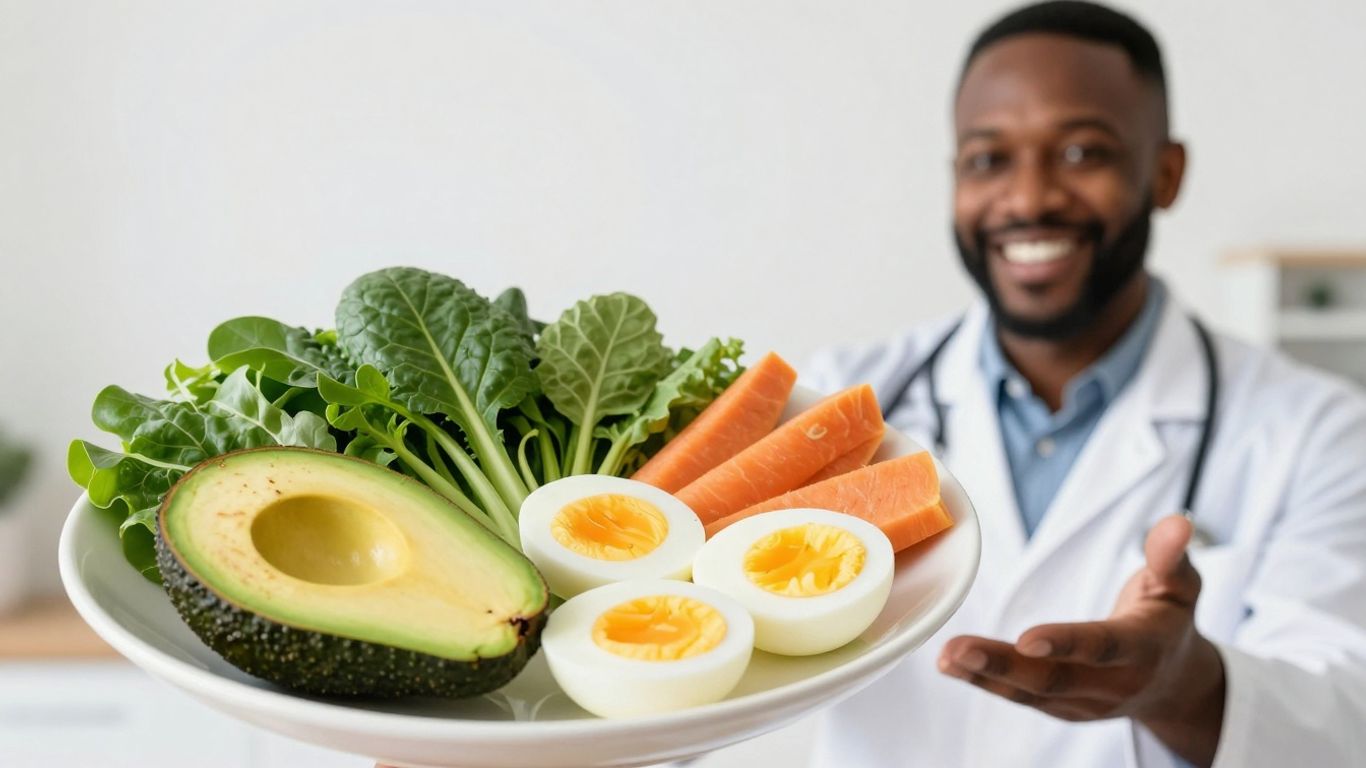
This video breaks down the ketogenic diet for beginners, explaining what ketones are, their benefits, and how to get into ketosis. It emphasizes a healthy approach to keto combined with intermittent fasting for optimal results.
Key Takeaways
- What are Ketones? Ketones are an alternative fuel source derived from fat, not carbs or protein. They are produced by lowering carbohydrate intake or reducing eating frequency.
- Benefits of Ketones: Increased oxygen, energy, and support for the brain and heart. The body can create its own glucose (gluconeogenesis) when needed, so consuming carbs isn’t necessary.
- Getting into Ketosis: Lower your carb intake and reduce how often you eat.
- Why Ketosis? Primarily to lower insulin levels, which combats insulin resistance, pre-diabetes, metabolic syndrome, high blood pressure, and belly fat.
- Additional Benefits: Reduced liver fat, improved cognitive function and mood, lower blood pressure and inflammation, increased energy, decreased belly fat, and autophagy (cellular cleanup).
- Hunger Management: The keto diet and intermittent fasting help reduce hunger, making it sustainable.
- Healthy Keto vs. Dirty Keto: Focus on nutrient-dense, high-quality foods (healthy keto) rather than just low-carb (dirty keto).
- Meal Timing: Combine keto with intermittent fasting. Aim for two meals within a 6-hour window to achieve an 18-hour fast, which triggers autophagy.
- Recommended Foods: Pasture-raised eggs, shellfish, fish, sardines, organic meats, cheese (in moderation), olives, avocados, vegetables, nuts, and seeds.
Understanding Ketones
A ketone isn’t a fat, carbohydrate, or protein. It has characteristics of both fat and carbs, but it’s neither. Ketones come from fat and serve as an alternative fuel source for your body. You can produce ketones by lowering the carbohydrates in your diet or by eating less often. This is why a low-carb, ketogenic diet combined with intermittent fasting is recommended – it helps you make the most ketones.
Benefits of Ketones
- Increases oxygen in the body.
- Boosts energy levels.
- Supports brain health; your brain actually prefers ketones.
- Supports heart health; ketones can help damaged heart tissue.
Most body tissues can run on ketones, but some parts still need glucose. The good news is you don’t need to eat glucose. Your body can create its own glucose through a process called gluconeogenesis, using fat and protein. It takes about 3 to 5 days to start converting fat into ketones, and this timeframe can be longer if your pancreas is damaged or if you have insulin resistance, pre-diabetes, or diabetes.
How to Achieve Ketosis
Getting into ketosis is straightforward:
- Lower your carbohydrate intake.
- Lower the frequency of your meals.
Why Embrace Ketosis?
The main reason to pursue ketosis is to lower insulin levels. Many people have high insulin, which doctors often don’t test for, focusing instead on glucose. High insulin leads to insulin resistance, a root cause of pre-diabetes, metabolic syndrome, high blood pressure, and stubborn belly fat. Eventually, persistent high insulin can lead to type 2 diabetes.
More Benefits of Keto and Intermittent Fasting
Combining the ketogenic diet with intermittent fasting offers a wide range of advantages:
- Reduces fat in the liver.
- Improves cognitive performance and mood.
- Helps decrease blood pressure and inflammation.
- Increases energy levels.
- Reduces belly fat.
- Promotes autophagy, a cellular cleanup process where your body recycles damaged or unneeded proteins.
One of the most significant benefits is that hunger tends to disappear, making the diet much easier to stick with long-term. Autophagy begins after about 18 hours of fasting.
Healthy Keto vs. Dirty Keto
It’s important to distinguish between healthy keto and dirty keto. Healthy keto focuses on nutrient-dense, high-quality foods like grass-fed meats and pasture-raised eggs. Dirty keto, on the other hand, primarily focuses on keeping carbs low, often with less healthy food choices. Healthy keto generally leads to better overall results and well-being.
Your Plate on Keto
A good guideline for a healthy keto plate is:
- 5% Carbs (from non-starchy vegetables)
- 20% Protein
- 70% Fat
When looking at your plate, aim for about half of it to be vegetables, a quarter protein, and a quarter fat. The vegetables provide essential vitamins, minerals, and phytonutrients.
Combining Keto and Intermittent Fasting
To maximize the benefits, combine keto with intermittent fasting. The ideal approach is to skip breakfast and have your first meal around lunchtime, followed by dinner. This two-meal structure, ideally within a 6-hour eating window, creates an 18-hour fast, triggering autophagy.
To avoid snacking between meals, ensure your meals are satisfying with enough healthy fats. As you become more adapted, you might be able to reduce fat intake slightly as your body becomes more efficient at burning its own fat.
During your fasting period (18 hours):
- Drink plenty of fluids.
- Take electrolytes and B vitamins.
- Add sea salt to your water.
Recommended Foods for Keto
Focus on these nutrient-rich foods:
- Pasture-raised eggs
- Shellfish
- Fish (especially sardines)
- Organic meats
- Cheese (in moderation, preferably grass-fed and organic)
- Olives
- Avocados
- Plenty of vegetables (7-10 cups daily)
- Nuts (be mindful if prone to kidney stones)
- Seeds (like sunflower seeds)
Leave a Reply