This weekend, I thought I’d try fixing my bike, and let me tell you, it was a disaster. Those YouTube tutorials make it look so simple, but in reality? Total nightmare. By the end, I had grease everywhere, and somehow, the bike looked even worse than when I started. Jake was supposed to help, but of course, he bailed—classic Jake. The bolts didn’t make any sense, the chain was a complete mess, and now I’m seriously thinking about taking it to a shop. Turns out, I’ve got zero mechanical skills. Definitely not doing that again anytime soon.
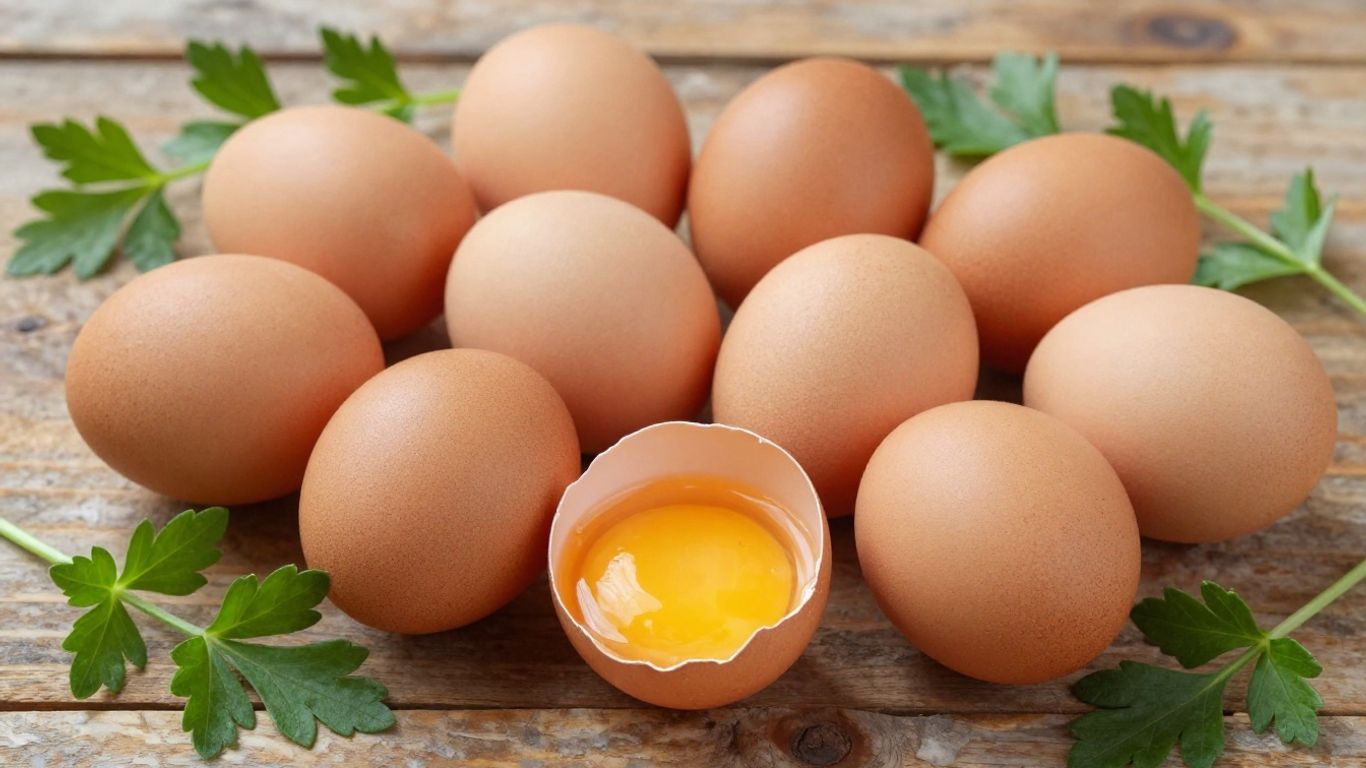
This article is about a 7-day protocol designed to help you lose up to 10 pounds in just one week. It’s perfect for those last stubborn pounds, people with an upcoming event, or anyone looking to get back on track with their diet. We’ll cover the five key rules of this keto egg fast to help you burn fat and kickstart your metabolism.
Key Takeaways
- Consume 14 whole eggs daily, including the yolk.
- Cook eggs in grass-fed ghee.
- Cook eggs gently (soft scramble, poached, or soft-boiled).
- Choose high-quality eggs: pasture-raised and organic.
- Pair the egg diet with intermittent fasting (18:6 schedule).
The Five Rules For Fat Loss
Rule 1: Consume 14 Eggs Per Day
This might sound like a lot, but these 14 eggs provide about 77 grams of protein and 65 grams of fat, with very few carbs (less than 7 grams). The protein helps keep you full and preserves muscle, while the fat also contributes to satiety. Lowering carbs helps reduce inflammation and insulin levels, allowing your body to tap into stored fat. Research shows that eating whole eggs can improve insulin sensitivity, especially for those with metabolic syndrome. Studies indicate that consuming whole eggs, particularly with the yolk, leads to better metabolic outcomes compared to egg substitutes.
Rule 2: Cook Eggs in Grass-Fed Ghee
Grass-fed ghee is beneficial, especially for managing insulin resistance. It contains butyrate, a short-chain fatty acid that helps regulate insulin sensitivity and reduce inflammation. Ghee from grass-fed butter is also rich in conjugated linoleic acid (CLA), which is linked to better cholesterol levels, insulin sensitivity, and weight loss. Cooking your 14 eggs in grass-fed ghee creates a powerful combination for lowering inflammation and insulin, aiding fat burning.
Rule 3: Cook Eggs Gently
How you cook your eggs matters. Soft scrambles, poaching, or soft-boiled eggs are best. Overcooking eggs can damage the proteins, making them harder to digest, and can oxidize the healthy fats and antioxidants in the yolk. Gentle cooking preserves the nutrient quality, protects beneficial fats like omega-3s, and prevents the formation of harmful compounds from oxidized cholesterol. It also helps retain heat-sensitive vitamins like B12, D, and A.
Rule 4: Choose the Right Eggs
Not all eggs are created equal. Avoid confusing marketing terms like "cage-free" and "free-range," as they don’t guarantee good conditions. Instead, look for pasture-raised and organic eggs. Pasture-raised chickens roam freely, eat a natural diet, and get sunlight, resulting in eggs higher in omega-3s, vitamin D, and antioxidants. Organic eggs come from chickens fed organic, non-GMO feed without antibiotics or hormones. Brands like Vital Farms offer high-quality organic, pasture-raised eggs.
Rule 5: Pair with Intermittent Fasting
Combining the egg diet with intermittent fasting can significantly boost fat loss. A popular schedule is 18:6, meaning you fast for 18 hours and have a 6-hour eating window. During the 7-day protocol, you’d consume your 14 eggs within this 6-hour window. Intermittent fasting has been shown to improve cellular repair (autophagy), increase ketone production for energy, boost metabolism, and decrease fat-storage hormones like insulin. This combination helps deplete glycogen stores, forcing your body to burn stored fat.
Common Questions Answered
Can I season my eggs?
Yes, you can use salt (preferably high-quality sea salt) and black pepper. Other seasonings are generally fine as they don’t typically raise glucose and insulin levels significantly.
Should I worry about cholesterol and saturated fat?
Not really. When eggs are cooked properly and sourced well, the cholesterol and saturated fat are not harmful. Cholesterol is vital for brain health, hormone production, and fat burning. Saturated fats are building blocks for your cells and can help lower inflammation.
Does the color of the yolk matter?
Often, yes. Dark orange yolks usually come from pasture-raised chickens eating a natural diet rich in carotenoids. These yolks tend to be higher in nutrients like vitamin D, omega-3s, lutein, and zeaxanthin. Pale yolks might indicate a diet of commercial grains, leading to fewer nutrients. However, be aware that some producers add colorants to feed to make yolks appear darker.
How can I measure progress besides the scale?
Look for non-scale victories like increased energy levels, better skin complexion, improved sleep quality, and how your clothes fit. These can be more telling than just the number on the scale.
What if I get loose stools or diarrhea from eating eggs?
This can happen if your liver is struggling to break down the fat. Try spreading your 14 eggs out over the 6-hour eating window instead of eating them all at once. Liver support supplements might also help.
Are raw eggs safe?
While raw eggs retain the most nutrients, they carry a risk of salmonella. If you choose to consume them raw, ensure they are from a very reliable, high-quality source, like a local organic farmer. Otherwise, gentle cooking is recommended.
What’s the difference between egg yolks and whites?
Egg whites are mostly protein and low in fat and calories. Egg yolks, however, contain most of the nutrients, including vitamins, minerals, and healthy fats. It’s best to consume the whole egg.
Can this diet help build muscle?
Yes, the 77 grams of protein per day can support muscle building, especially when combined with strength training. Intermittent fasting also helps by raising human growth hormone, which preserves muscle mass. While the primary goal of this 7-day protocol is fat loss, muscle preservation is a benefit.
What should I do after the 7-day protocol?
To continue burning fat and maintain energy levels, consider a program that provides regular fat-burning, keto-friendly recipes. This helps you stay on track with a healthy diet after the initial 7-day fast.
Leave a Reply