Blog

  • Burn Belly Fat Fast (10 Tips + Bonus) 2025

    Burn Belly Fat Fast (10 Tips + Bonus) 2025

    Tired of that stubborn belly fat? You’ve tried the usual advice, but nothing seems to work. This video breaks down 10 effective tips, plus a bonus, to help you finally get rid of that extra weight around your middle. It all comes down to managing a key hormone: insulin.

    Key Takeaways

    • Focus on whole, single-ingredient foods.
    • Avoid sugary drinks and juices.
    • Prioritize protein and healthy fats.
    • Don’t fear real salt; it can curb cravings.
    • Recognize sugar addiction as a real hurdle.
    • Limit alcohol to one serving of carb-free drinks.
    • Cut out all sugars, both added and natural.
    • Incorporate intermittent fasting (16-hour fasts).
    • Bonus: Steer clear of most protein bars and shakes.

    Why Belly Fat Sticks Around

    Many people struggle with belly fat because the advice they get just doesn’t work. The common suggestions like eating less and moving more often lead to constant hunger, low energy, and aren’t sustainable. It’s not entirely your fault; you might not have known about a crucial hormone that plays a big role: insulin. High insulin levels tell your body to store fat, especially in your belly, and make it hard to burn off the fat you already have. The tips in this video are designed to help you lower your insulin levels, getting you into that sweet spot for fat burning.

    10 Tips to Effortlessly Lose Belly Fat

    Here are the strategies that can make a real difference:

    1. Stick to the Outer Aisles When Grocery Shopping: The perimeter of the grocery store is where you’ll find real foods. Think meats, eggs, cheese, full-fat dairy, and fresh vegetables and berries. Your body knows how to use these foods, and they won’t contribute to belly fat; they’ll actually help you burn it.
    2. Choose Only One-Ingredient Foods: If a food has more than two ingredients (unless the second is salt), skip it. Your body understands what to do with a ribeye steak (one ingredient) or broccoli (one ingredient). The center aisles of the store are full of processed items with many ingredients that can spike your insulin and keep that belly fat stuck.
    3. Never Drink Your Carbohydrates or Sweeteners: This means no soft drinks and no fruit juices. If it has even one gram of carbohydrate, don’t drink it. Your body treats natural sugars (like in juice) and added sugars (like in soda) the same way – they both lead to storing belly fat.
    4. Eat at Least One Gram of Protein Per Kilogram of Body Weight Daily: Protein is key because it keeps you feeling full and provides your body with the amino acids it needs for repair and rejuvenation. Eating enough protein will help prevent you from reaching for junk food and keep the belly fat disappearing.
    5. Eat More Fat: Yes, you read that right. Fat is the most filling of all macronutrients. Unlike carbs, which turn into sugar and spike insulin, healthy fats help you feel satisfied. Focus on fats from fatty cuts of meat or plant-based sources. Remember, high insulin levels prevent fat burning.
    6. Eat Plenty of Real Salt: Cravings are often for salt or minerals, not necessarily for junk food. Eating real salt, which contains minerals, can satisfy your body’s needs and prevent you from seeking out processed snacks hiding in the center aisles.
    7. Recognize Your Sugar Addiction: Carbohydrates break down into sugar, which affects your brain’s pleasure centers similarly to drugs. If you slip up, don’t just call yourself a glutton. Acknowledge that you might be a sugar addict. Understanding this specific battle makes it easier to fight and win.
    8. Limit Alcohol Intake to One Serving Per Day: If you choose to drink, make it a carbohydrate-free, sweetener-free beverage. Any sweet taste can raise insulin. One serving of alcohol a day won’t necessarily help you lose weight, but it won’t make you gain weight either; it’s essentially a wash.
    9. Stop All Sugars, Whether Added or Natural: Whether it’s a soda or a big bag of grapes, your body processes the sugar the same way. Cutting out all forms of sugar is a direct path to melting belly fat.
    10. Implement Intermittent Fasting: Aim for at least a 16-hour fast every day. If you sleep for 8 hours, this means waiting 4 hours after waking to eat and stopping 4 hours before bed. During fasting periods, your insulin levels are low, which is ideal for burning belly fat.

    Bonus Tip: Avoid Most Protein Bars and Shakes

    While protein is important, most commercially available protein bars and shakes are loaded with carbohydrates. They should really be called carbohydrate bars and shakes. If you want a "protein bar," make your own by cutting a ribeye steak into strips. If it comes in plastic wrap and a cardboard box, it’s likely a carb bomb that won’t help lower your insulin.

    There are two specific diets that can greatly help you lose belly fat. You can find them in the playlist at the end of this video. Choose the one that appeals to you most and follow the advice. No products, services, coaches, or supplements are necessary – just a commitment to the diet.

    If you know someone struggling with belly fat, share this video. You might help them lose weight, improve their health, and even add years to their life.


  • NEED TO LOSE 50 Pounds or More?? (Severe Obesity Fix) 2024

    NEED TO LOSE 50 Pounds or More?? (Severe Obesity Fix) 2024

    If you’re carrying an extra 50 pounds or more, you’re likely facing significant health risks, including type 2 diabetes, heart attack, stroke, and even cancer. The good news is, it’s possible to start fixing this today. This guide breaks down the steps to help you shed that weight and improve your overall health, honoring your body’s natural processes and optimizing your hormones.

    Key Takeaways

    • Get your lab work checked to identify and correct hormone imbalances (thyroid, adrenal, sex hormones).
    • Review your medications to ensure none are contributing to weight gain or hindering weight loss.
    • Adopt a ketogenic diet as the most effective method for significant weight loss.
    • Incorporate intermittent fasting to switch your body from burning carbs to burning fat.
    • Combine the ketogenic diet and intermittent fasting for a powerful, synergistic weight loss approach.

    Understanding the Root Cause of Weight Gain

    Many people believe that simply eating fewer calories and exercising more is the key to weight loss. However, if you’re 50 pounds or more overweight, this "calorie deficit" myth likely doesn’t apply to you. The real culprits are often inappropriate dietary choices combined with hormone imbalances. Until these hormonal issues are addressed, losing significant weight can feel impossible.

    Step 1: Get Your Lab Work Checked

    Before making drastic changes, it’s crucial to understand your body’s internal state. Schedule a visit with your doctor to get comprehensive lab work done. This includes checking:

    • Thyroid Hormones: An underactive thyroid can significantly slow down your metabolism.
    • Adrenal Hormones: Stress and adrenal function play a role in weight regulation.
    • Sex Hormones: For men, testosterone levels are important. For women, testosterone, estrogen, and progesterone levels need to be balanced.

    Correcting any imbalances in these hormones is a necessary first step before you can expect to see meaningful weight loss.

    Step 2: Review Your Medications

    Certain medications can contribute to weight gain or make it incredibly difficult to lose weight, even if you’re eating well. Have an open conversation with your doctor about all the medications you are currently taking. Ask specifically if any of them could be hindering your weight loss efforts. There are even resources available, like other videos on this channel, that detail medications known to cause weight gain.

    Step 3: Fix Your Diet: The Power of Keto

    When it comes to losing a significant amount of weight, the ketogenic diet stands out. After years of practice and trying various approaches, the ketogenic diet has proven to be more effective than any other diet recommended or observed. While the Paleo diet is good for maintenance, keto is the go-to for healthy and rapid weight loss.

    The ketogenic diet works by shifting your body’s primary fuel source from carbohydrates to fat. This means your body starts burning stored fat for energy. If you have 50 pounds or more to lose, focusing on becoming an expert in the ketogenic diet is highly recommended.

    Step 4: Embrace Intermittent Fasting

    Intermittent fasting is not about starving yourself or skipping meals in an unhealthy way. Instead, it’s a structured eating pattern that cycles between periods of eating and voluntary fasting. This practice, when done correctly, helps your body transition from being a carb burner to a fat burner.

    There are many resources available to explain the ‘why’ and ‘how’ of intermittent fasting. The key is that it complements the ketogenic diet by further encouraging your body to tap into fat reserves.

    The Synergistic Effect: Keto and Intermittent Fasting Combined

    When you combine the ketogenic diet with intermittent fasting, you create a powerful synergy for weight loss. This combination is the most effective method observed for shedding significant weight. It helps you stop constantly craving carbs and trains your body to efficiently burn fat.

    • Ketogenic Diet: Teaches your body it doesn’t need constant carbs.
    • Intermittent Fasting: Teaches your body it can burn more fat.

    Together, they make weight loss easier, more effective, and reduce constant hunger.

    Taking Action for a Healthier You

    If you’re ready to lose 50 pounds or more, follow these steps:

    1. Consult your doctor for comprehensive lab work and medication review.
    2. Educate yourself on the ketogenic diet and intermittent fasting.
    3. Implement these lifestyle changes consistently.

    By addressing hormonal imbalances, reviewing medications, and adopting the powerful combination of a ketogenic diet and intermittent fasting, you can achieve meaningful and lasting weight loss. This journey is not just about shedding pounds; it’s about significantly reducing your risk of serious health conditions like heart disease, stroke, diabetes, and cancer, and ultimately, improving your overall health and well-being.

  • Losing 10 Pounds in 1 Week is Possible…Here’s How | Dr. Mandell

    Losing 10 Pounds in 1 Week is Possible…Here’s How | Dr. Mandell

    Is it really possible to lose 10 pounds in just seven days? The answer is yes, but it’s not for everyone. And let’s be clear, losing 10 pounds of pure fat in a week? That’s pretty much impossible.

    If you’re currently eating a diet full of fast food, processed carbs, and lots of saturated fats, it’s going to be tough to see any weight loss. Your body just can’t shed pounds if you’re not eating healthy.

    Where The Weight Comes Off

    The majority of the weight you might lose quickly comes from two main areas: fluid retention and your digestive system. Many people with poor diets tend to hold onto a lot of water, especially due to high sodium intake. Sodium makes your body hold onto more water. Also, if your diet is full of processed foods, you might not be having regular bowel movements, meaning you could be carrying extra weight in your intestines.

    Carbohydrates also play a role. When you eat carbs, your body stores them as glycogen in your muscles and liver. For every bit of glycogen stored, your body holds onto extra water too. So, you might be carrying extra weight from glycogen stores, excess sodium, and waste in your gut.

    Key Takeaways

    • Drink more water to help flush out sodium and improve digestion.
    • Incorporate exercise, like walking or resistance training, to burn calories and build muscle.
    • Eat whole, unprocessed foods rich in fiber for better satiety and slower sugar absorption.
    • Prioritize sleep to support muscle mass and boost metabolism.

    Simple Steps to Kickstart Weight Loss

    1. Drink More Water

    It might seem counterintuitive, but drinking more water can actually help you lose weight. If you feel bloated, you might think avoiding water is the answer, but it’s not. Water helps your kidneys function better, flushing out that extra sodium you’re holding onto. It can also help with constipation and get things moving in your bowels, helping you get rid of waste.

    2. Get Moving

    Any kind of exercise is beneficial. Whether it’s resistance training, walking, cycling, or swimming, moving your body helps build muscle. More muscle means a higher metabolic rate – think of muscle as your body’s furnace. As we get older, we tend to lose muscle, which can slow down our metabolism. Exercise helps combat this.

    3. Listen to Your Body: Thirst vs. Hunger

    Often, when you think you’re hungry, you might actually just be thirsty. We don’t drink enough water. Try drinking a glass of water 15-20 minutes before you eat or when you feel a craving. You might find that about 70% of the time, it’s thirst, not true hunger. Water can help you feel full and satisfied.

    4. Eat Dense, Whole Foods

    Focus on eating whole foods like fruits, vegetables, and whole grains. These foods are packed with fiber. Fiber slows down the absorption of sugar into your bloodstream, which means you won’t crave sweets as much. It also keeps you feeling full and content for longer. Plus, fiber is great for lowering cholesterol and triglyceride levels, which is good for your overall health.

    5. Get Enough Sleep

    Don’t underestimate the power of sleep. When you sleep well, your brain releases more growth hormones. These hormones help maintain muscle mass, boost your metabolism, and help your body burn more fat.

    Realistic Expectations

    While not everyone will lose 10 pounds in a single week, everyone can lose weight by following these tips. The amount you lose will depend on your body and your starting point. If you’re dealing with a lot of fluid retention and digestive issues, you might see a more significant drop initially, but remember, not all of that will be fat.

    The key is to be mindful of your eating habits, start exercising, and make healthier choices. Remember, your body is mostly water, and water is vital for your metabolism and weight loss. Making these changes today is an investment in your health, and your health is incredibly important.

  • How I Lost 15 Pounds in 1 Month

    How I Lost 15 Pounds in 1 Month

    Four weeks ago, I stood in my bathroom and decided it was time to tackle the extra weight I’d gained. I set an ambitious goal: lose 20 pounds in a month. I knew the usual advice of losing a couple of pounds a week wouldn’t cut it for me. I wanted to go all in, like a boot camp, really pushing myself. So, I stepped on the scale.

    The Results Are In

    After four weeks, I’m at 185.4 pounds. That’s a loss of exactly 16 pounds from my starting weight of 201.4 pounds. While it wasn’t the full 20 pounds I aimed for, and I’m still about 5.4 pounds away from my ultimate goal of 180, I feel fantastic. I feel healthier, lighter, and my clothes fit so much better. There’s noticeable muscle growth in my chest, and while I still have a bit to work on in my lower back area, I’m feeling great overall. The energy boost is real, and I want to share how I achieved this.

    Key Takeaways

    • No Magic Pills: Forget secret foods or quick fixes. Real results come from hard work, willpower, and dedication.
    • Lifestyle Change: Weight loss isn’t a temporary fad; it’s a long-term shift in habits.
    • Diet is Key: Cutting out processed foods, sugars, and refined carbs makes a huge difference.
    • Mindful Eating: Pay attention to hunger cues and portion sizes. Don’t be afraid to feel hungry sometimes.
    • Exercise Variety: Find activities you enjoy to stay consistent.
    • Limit Alcohol: Alcohol can negatively impact metabolism and adds empty calories.

    The No-Nonsense Approach to Diet

    Let’s be clear: there are no secret formulas or magic pills. You’ll see ads online promising miracle foods or apps that will transform you for a fee. Don’t fall for it. The truth is, getting fit requires hard work, willpower, and a commitment to a lifestyle change. It’s not a short-term diet; it’s about changing how you eat and live long-term. If you go back to your old habits, the weight will come right back.

    Cutting Out the "White Devils"

    I took inspiration from Laird Hamilton and Paul Chek’s philosophy on "white devil" foods: white flour, white sugar, and white milk. I was consuming a lot of these, especially milk with my coffee and cereal. Cutting these out made a significant difference.

    Sugar Savvy

    Sugar is a major culprit, and it’s not just in desserts. I learned to check labels on everything, even seemingly healthy items like pitted dates and goji berries, which can be packed with sugar. Being diligent about sugar intake is critical.

    Portion Control and Hunger

    I used to snack constantly, leading to excessive calorie intake. Now, I don’t fear feeling hungry. I learned to listen to my body and eat smaller portions when I did eat. Sometimes, a snack of broccoli or a vegetable medley was all I needed, a far cry from a whole jar of peanuts that I used to consume.

    Intermittent Fasting

    I incorporated intermittent fasting, and I plan to continue with a full day of fasting once a week to help reset my body. It’s a great way to become more in tune with your body’s needs.

    Hydration and Sweet Drinks

    Stay away from sodas and juices, which are loaded with sugar. Even diet sodas with artificial sweeteners aren’t a healthy alternative. If something tastes sweet, it’s for a reason. Moderation is key, and if you want to lose and maintain weight, you need to be mindful of sweet flavors.

    My Daily Diet Plan

    My typical day looked something like this:

    • Morning: Coffee with almond milk.
    • Lunch: A pork chop or hamburger patty with vegetables.
    • Dinner: Often salmon, or chicken with beans and a small portion of rice or plenty of vegetables like asparagus or broccoli. I significantly reduced my portion sizes, often eating half of what I used to.

    I focused on lean proteins, vegetables, and limited carbs like rice and beans, while completely avoiding breads and potatoes.

    My Exercise Routine

    Exercise is just as important as diet. I invested in a fitness watch to track my steps and set daily goals, like hitting 10,000 steps.

    • Walking: Long walks, especially with the dogs, became a regular part of my routine.
    • Running: I timed myself running miles and focused on improving my pace.
    • Circuit Training: Push-ups, burpees, and other bodyweight exercises kept things interesting.
    • Gymnastic Rings: These were surprisingly effective for core and ab workouts.
    • Swimming: I also incorporated swimming into my routine.

    The key is to find activities you genuinely enjoy. It doesn’t have to be running marathons or doing a specific number of push-ups. It’s about finding what keeps you motivated.

    The Role of Alcohol

    Cutting out alcohol was a significant factor. In my opinion, alcohol can reset your metabolism and set you back in your fitness progress. It also converts to sugar in the body, which isn’t helpful for weight loss.

    This journey is about feeling better, lighter, and more energetic. It’s about fitting into your clothes comfortably and having the confidence that comes with taking care of yourself. If you’re looking to make a change, it’s about finding the willpower and sticking with it. I’m continuing this journey, and I’m curious to see if I can hit that seven-minute mile next!

  • I Lost 75lbs and Stay Under 12% Body Fat: 12 Daily Habits That Work

    I Lost 75lbs and Stay Under 12% Body Fat: 12 Daily Habits That Work

    This article shares 12 evidence-based habits that helped Dr. John Go lose 75 pounds and maintain under 12% body fat, even while working 80 hours a week. It focuses on sustainable routines that allow for a normal life, moving away from extreme diets and endless cardio.

    Key Takeaways

    • Prioritize walking over high-intensity cardio for fat loss.
    • Build muscle through heavy compound lifts to boost metabolism.
    • Track food intake meticulously, like budgeting money.
    • Aim for consistency (80% on track) rather than perfection.
    • Make protein a priority at every meal.
    • Avoid drinking calories from sugary drinks and alcohol.
    • Master hunger cues and distinguish between real hunger and emotional triggers.
    • Reduce or eliminate alcohol intake.
    • Hack ingredients to make meals healthier without sacrificing taste.
    • Focus on weekly trends, not daily scale fluctuations.
    • Plan meals and workouts in advance.
    • Strive for 1% daily improvement.

    Choose Walking Over Cardio

    While cardio is good, walking is a better choice for fat loss. High-intensity cardio can increase hunger hormones, leading to overeating. Walking, on the other hand, burns calories without spiking hunger. Imagine finishing an intense workout and feeling so hungry you want to eat a whole pint of ice cream. Walking doesn’t usually have that effect. A treadmill desk can help you get in 20,000 steps while working. If that’s not an option, aim for 8,000 to 10,000 steps daily by parking further away, taking the stairs, or going for walks after meals. These small steps help create a calorie deficit without intense cravings.

    Build Muscle Mass

    Increasing muscle mass is key for efficient fat loss. Muscle boosts your resting metabolic rate, meaning you burn more calories even when you’re not exercising. Plus, more muscle looks good and contributes to overall health and longevity. Focus on compound exercises like squats, deadlifts, and bench presses. These work multiple muscle groups and are more efficient for building muscle than isolation exercises. Think of muscle as your body’s money-maker for burning calories – the more you have, the more you burn just by living.

    Track Food Like You Budget Money

    Calorie tracking is like budgeting your finances. Overeating consistently leads to storing excess energy as fat. Many people fail at weight loss because they underestimate their calorie intake. It’s easy to cut corners or round numbers, but these small amounts add up. Meticulously tracking your calories, especially at first, is important. When in doubt, overestimate to ensure you’re in a deficit. You’ll start to see how calorie-dense certain foods, like sauces and dressings, really are. Making healthier versions of your favorite foods can also help. You can find a free Asian meal prep cookbook in the description to cut calories and boost protein without losing flavor.

    Be Consistent, Not Perfect

    Consistency is more important than perfection. Even small efforts done consistently lead to long-term results. Aim to be on track about 80% of the time, allowing for 20% flexibility. This flexibility helps you stay in the game long-term. When fitness becomes a habit, it becomes part of your identity. For example, while the work week might be strict, weekends might include social events like KBBQ or sushi with friends. If work gets overwhelming, don’t skip workouts entirely; even 15-minute workouts can keep momentum going and prevent a cycle of guilt and inactivity.

    Make Protein a Priority

    Anchor each meal with 30 to 50 grams of protein. Protein is the most filling macronutrient, helping you feel satisfied longer. Adequate protein intake, combined with weightlifting, helps preserve muscle during weight loss and build muscle when eating in a surplus. Prioritizing protein reduces cravings and helps you feel good while working towards your goals. It’s about fueling your body and supporting your goals, not just restricting calories.

    Don’t Drink Your Calories

    Liquid calories from soda, juice, boba, or alcohol can sabotage fat loss. Your brain doesn’t register these calories the same way as solid food, so you can consume hundreds of calories without feeling full. Opt for zero-calorie drinks, black coffee, and whole foods instead of juices. Caffeine can also suppress appetite. Compare a high-calorie Starbucks drink to a well-planned meal prep meal with high protein and fewer calories. Making mindful choices about what you drink is as important as what you eat.

    Master Your Hunger Cues

    Sometimes, eating doesn’t solve the problem if hunger isn’t the real issue. Before reaching for food, pause and ask yourself if you’re truly hungry or if you’re angry, lonely, tired, or bored. If it’s one of the latter, address the feeling directly. A slight rumble in your belly is a sign your body is using stored fat for energy, which is good. Mild hunger, when you’re meeting your calorie and protein targets, means you’re making progress. Learning to separate real hunger from emotional triggers helps reduce mindless snacking.

    Skip the Nightcap

    Alcohol is a toxin, and your body prioritizes processing it. This means carbs and fats consumed while alcohol is in your system are more likely to be stored as fat. Alcohol also reduces your feeling of fullness and lowers willpower, making late-night snacking more appealing. It can disrupt sleep, leading to grogginess and increased cravings the next day. Furthermore, regular drinking can lower testosterone, impacting muscle growth and your resting metabolism. Cutting back on alcohol leads to faster fat loss, better sleep, and improved recovery.

    Hack Your Ingredients

    Start with whole foods that are single ingredients like meat, eggs, vegetables, and fruit. These are generally more filling and better for you. Strategically swap out carb sources: use cauliflower rice instead of white rice, or mix them. Opt for keto or low-carb bread and tortillas, which have fewer calories and more protein than traditional versions. Choose leaner proteins, like swapping 80/20 ground beef for 99% lean ground turkey, which significantly cuts calories and boosts protein. Ingredient hacking helps reduce calories and increase protein and fiber without making you feel deprived.

    Weekly Trend Check and Course Correct

    Ignore daily fluctuations on the scale; focus on the weekly trend. Daily changes are just noise. Use weekly averages to track progress and make adjustments. Tools like ChatGPT can help analyze your data: input your average weight loss, calorie intake, and protein intake, and ask for adjustments needed to stay on track. Monitoring weekly trends keeps you accountable.

    Plan and Anticipate

    Make decisions about your meals and workouts before you’re tired or overwhelmed. Planning ahead reduces reliance on willpower. If you come home tired, having prepped meals ready to eat is much easier than going out to buy ingredients or ordering unhealthy takeout. A well-prepared fridge simplifies your day, reduces decision fatigue, and sets you up for success.

    One Up Yesterday

    Focus on getting 1% better each day rather than aiming for perfection. Small, incremental improvements add up significantly over time. Celebrate your small wins, as each step compounds. This keeps motivation high and makes the journey enjoyable. Remember, it’s about progress, not perfection. As long as you’re moving forward, you’ll reach your goals. These habits can supercharge fat loss and muscle gain, help you maintain your results even with a busy schedule, and allow you to live your life.

  • How To Lose 10 Pounds In 7 Days Using These Keto Egg Rules

    How To Lose 10 Pounds In 7 Days Using These Keto Egg Rules

    This weekend, I thought I’d try fixing my bike, and let me tell you, it was a disaster. Those YouTube tutorials make it look so simple, but in reality? Total nightmare. By the end, I had grease everywhere, and somehow, the bike looked even worse than when I started. Jake was supposed to help, but of course, he bailed—classic Jake. The bolts didn’t make any sense, the chain was a complete mess, and now I’m seriously thinking about taking it to a shop. Turns out, I’ve got zero mechanical skills. Definitely not doing that again anytime soon.

    This article is about a 7-day protocol designed to help you lose up to 10 pounds in just one week. It’s perfect for those last stubborn pounds, people with an upcoming event, or anyone looking to get back on track with their diet. We’ll cover the five key rules of this keto egg fast to help you burn fat and kickstart your metabolism.

    Key Takeaways

    • Consume 14 whole eggs daily, including the yolk.
    • Cook eggs in grass-fed ghee.
    • Cook eggs gently (soft scramble, poached, or soft-boiled).
    • Choose high-quality eggs: pasture-raised and organic.
    • Pair the egg diet with intermittent fasting (18:6 schedule).

    The Five Rules For Fat Loss

    Rule 1: Consume 14 Eggs Per Day

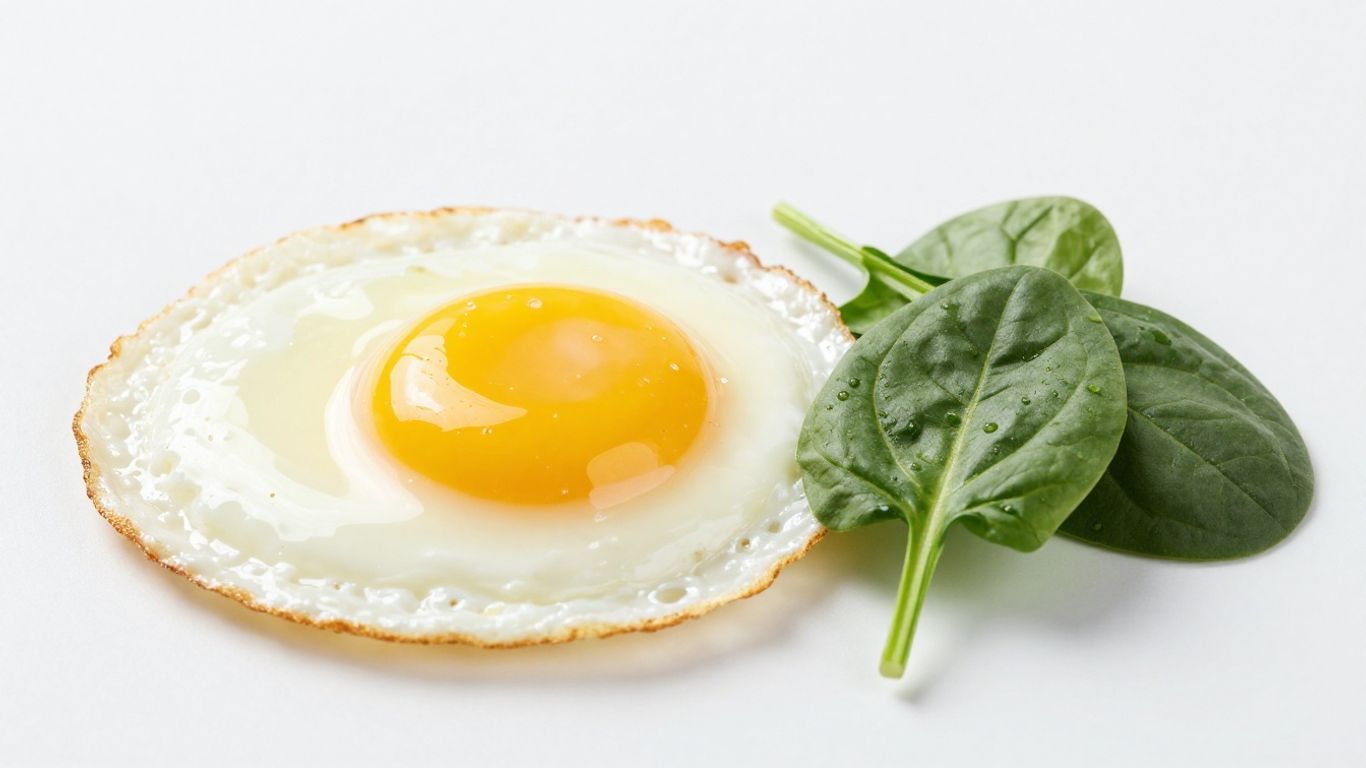
    This might sound like a lot, but these 14 eggs provide about 77 grams of protein and 65 grams of fat, with very few carbs (less than 7 grams). The protein helps keep you full and preserves muscle, while the fat also contributes to satiety. Lowering carbs helps reduce inflammation and insulin levels, allowing your body to tap into stored fat. Research shows that eating whole eggs can improve insulin sensitivity, especially for those with metabolic syndrome. Studies indicate that consuming whole eggs, particularly with the yolk, leads to better metabolic outcomes compared to egg substitutes.

    Rule 2: Cook Eggs in Grass-Fed Ghee

    Grass-fed ghee is beneficial, especially for managing insulin resistance. It contains butyrate, a short-chain fatty acid that helps regulate insulin sensitivity and reduce inflammation. Ghee from grass-fed butter is also rich in conjugated linoleic acid (CLA), which is linked to better cholesterol levels, insulin sensitivity, and weight loss. Cooking your 14 eggs in grass-fed ghee creates a powerful combination for lowering inflammation and insulin, aiding fat burning.

    Rule 3: Cook Eggs Gently

    How you cook your eggs matters. Soft scrambles, poaching, or soft-boiled eggs are best. Overcooking eggs can damage the proteins, making them harder to digest, and can oxidize the healthy fats and antioxidants in the yolk. Gentle cooking preserves the nutrient quality, protects beneficial fats like omega-3s, and prevents the formation of harmful compounds from oxidized cholesterol. It also helps retain heat-sensitive vitamins like B12, D, and A.

    Rule 4: Choose the Right Eggs

    Not all eggs are created equal. Avoid confusing marketing terms like "cage-free" and "free-range," as they don’t guarantee good conditions. Instead, look for pasture-raised and organic eggs. Pasture-raised chickens roam freely, eat a natural diet, and get sunlight, resulting in eggs higher in omega-3s, vitamin D, and antioxidants. Organic eggs come from chickens fed organic, non-GMO feed without antibiotics or hormones. Brands like Vital Farms offer high-quality organic, pasture-raised eggs.

    Rule 5: Pair with Intermittent Fasting

    Combining the egg diet with intermittent fasting can significantly boost fat loss. A popular schedule is 18:6, meaning you fast for 18 hours and have a 6-hour eating window. During the 7-day protocol, you’d consume your 14 eggs within this 6-hour window. Intermittent fasting has been shown to improve cellular repair (autophagy), increase ketone production for energy, boost metabolism, and decrease fat-storage hormones like insulin. This combination helps deplete glycogen stores, forcing your body to burn stored fat.

    Common Questions Answered

    Can I season my eggs?

    Yes, you can use salt (preferably high-quality sea salt) and black pepper. Other seasonings are generally fine as they don’t typically raise glucose and insulin levels significantly.

    Should I worry about cholesterol and saturated fat?

    Not really. When eggs are cooked properly and sourced well, the cholesterol and saturated fat are not harmful. Cholesterol is vital for brain health, hormone production, and fat burning. Saturated fats are building blocks for your cells and can help lower inflammation.

    Does the color of the yolk matter?

    Often, yes. Dark orange yolks usually come from pasture-raised chickens eating a natural diet rich in carotenoids. These yolks tend to be higher in nutrients like vitamin D, omega-3s, lutein, and zeaxanthin. Pale yolks might indicate a diet of commercial grains, leading to fewer nutrients. However, be aware that some producers add colorants to feed to make yolks appear darker.

    How can I measure progress besides the scale?

    Look for non-scale victories like increased energy levels, better skin complexion, improved sleep quality, and how your clothes fit. These can be more telling than just the number on the scale.

    What if I get loose stools or diarrhea from eating eggs?

    This can happen if your liver is struggling to break down the fat. Try spreading your 14 eggs out over the 6-hour eating window instead of eating them all at once. Liver support supplements might also help.

    Are raw eggs safe?

    While raw eggs retain the most nutrients, they carry a risk of salmonella. If you choose to consume them raw, ensure they are from a very reliable, high-quality source, like a local organic farmer. Otherwise, gentle cooking is recommended.

    What’s the difference between egg yolks and whites?

    Egg whites are mostly protein and low in fat and calories. Egg yolks, however, contain most of the nutrients, including vitamins, minerals, and healthy fats. It’s best to consume the whole egg.

    Can this diet help build muscle?

    Yes, the 77 grams of protein per day can support muscle building, especially when combined with strength training. Intermittent fasting also helps by raising human growth hormone, which preserves muscle mass. While the primary goal of this 7-day protocol is fat loss, muscle preservation is a benefit.

    What should I do after the 7-day protocol?

    To continue burning fat and maintain energy levels, consider a program that provides regular fat-burning, keto-friendly recipes. This helps you stay on track with a healthy diet after the initial 7-day fast.

  • Shed 10 Pounds in 7 Days: The Keto Egg Fast Rules

    Shed 10 Pounds in 7 Days: The Keto Egg Fast Rules

    Want to drop about 10 pounds in just a week? This 7-day keto egg protocol might be what you’re looking for, especially if you’re trying to lose those last stubborn pounds, need a quick fix for an upcoming event, or just want to get back on track with your diet. It’s designed to kickstart your metabolism and get your body burning fat.

    Key Takeaways

    • Consume 14 whole eggs daily, including the yolk.
    • Cook eggs in grass-fed ghee.
    • Cook eggs gently (soft scramble, poached, soft-boiled).
    • Choose pasture-raised, organic eggs.
    • Combine with an 18:6 intermittent fasting schedule.

    The Five Rules For Fat Loss

    This protocol has five main rules to help you achieve those results.

    Rule 1: Eat 14 Eggs Daily

    Yes, you’ll be eating 14 eggs every single day. The yolk is important because it holds most of the nutrients. Why 14 eggs? It breaks down to about 77 grams of protein and 65 grams of fat, with less than 7 grams of carbs. The protein helps you feel full and keeps your muscle mass. The fat also helps with feeling satisfied. Lowering carbs helps reduce inflammation and insulin levels, allowing your body to switch to burning stored body fat. Research shows that eating whole eggs can improve insulin sensitivity, especially for those who are overweight or have metabolic syndrome. Studies have found that people eating eggs regularly saw improvements in fasting glucose and insulin resistance compared to those who didn’t.

    Rule 2: Cook Eggs in Grass-Fed Ghee

    Grass-fed ghee is thought to be good for managing insulin resistance because it contains butyrate, a short-chain fatty acid that can help with insulin sensitivity and inflammation. Ghee from grass-fed butter also has conjugated linoleic acid (CLA), which has been linked to better cholesterol levels, insulin sensitivity, and weight loss. Cooking your 14 eggs in grass-fed ghee creates a powerhouse combination that can help lower inflammation and insulin, aiding fat burning.

    Rule 3: Gentle Cooking Methods

    How you cook your eggs matters. Soft scrambles, poaching, or soft-boiled eggs are best. Overcooking eggs, like making hard-boiled eggs or very well-done scrambles, can damage their nutrients. Gentle cooking helps preserve the protein quality, making it easier to digest. It also prevents the healthy fats, like omega-3s in the yolk, from oxidizing, which can create harmful compounds. Overcooking can also reduce antioxidants like lutein and zeaxanthin, which are good for eye health. Plus, high-heat cooking can oxidize the cholesterol in eggs, which has been linked to heart disease. Heat can also degrade important vitamins like B12, D, and A.

    Rule 4: Choose the Right Eggs

    Not all eggs are the same. Terms like "cage-free" and "free-range" can be confusing and don’t always mean the chickens had good living conditions or outdoor access. Look for pasture-raised and organic eggs. Pasture-raised chickens roam freely, eat a natural diet of grass and insects, and get sunlight. These eggs tend to have more omega-3s, vitamin D, and antioxidants. Organic eggs come from chickens fed organic, non-GMO feed and raised without antibiotics or hormones. This ensures you’re getting a cleaner product. A brand like Vital Farms is often recommended for organic, pasture-raised eggs.

    Rule 5: Combine with Intermittent Fasting

    Pairing this egg diet with intermittent fasting is key. An 18:6 schedule is recommended for seven days. This means you fast for 18 hours and have a 6-hour eating window. During the 18-hour fast, you can have water, coffee, or tea, but no food. In the 6-hour window, you consume your 14 eggs. You can eat them all at once or split them into two meals. This fasting approach has been linked to many health benefits, including improved cellular repair (autophagy), increased ketone production (which helps burn fat), better metabolism, and reduced inflammation. It also helps deplete your glycogen stores, forcing your body to burn body fat for energy, especially visceral fat around your organs.

    Common Questions Answered

    Can I season my eggs?

    Yes, you can use salt and pepper. High-quality sea salt is a good choice. Other seasonings are generally fine as they don’t typically raise glucose or insulin significantly.

    What about the cholesterol and saturated fat?

    Don’t worry too much. When eggs are cooked properly and are high quality, the cholesterol and saturated fat can actually be beneficial. Cholesterol is important for your brain, hormones, and vitamin D production. Saturated fats are building blocks for your cells. Eating them can help lower inflammation and support fat-burning hormones.

    Does the yolk color matter?

    Often, yes. Dark orange yolks usually come from pasture-raised chickens eating a natural diet rich in carotenoids. These yolks tend to have higher levels of vitamins, antioxidants like lutein and zeaxanthin, and omega-3s. Pale yellow yolks might come from chickens fed a commercial diet of corn and soy, which can result in fewer nutrients. However, be aware that some producers add colorants to feed to make yolks look darker without adding nutrients, so choosing organic, pasture-raised eggs is still the best bet.

    How can I track progress besides the scale?

    Besides the potential 10+ pound weight loss, pay attention to non-scale victories. These include increased energy levels, better skin, improved sleep quality, and how your clothes fit. Body fat percentage measurements can also be helpful.

    What if I get loose stools or diarrhea from eggs?

    This can happen if your liver is having trouble breaking down the fat. You can try spreading out the 14 eggs over your 6-hour eating window instead of eating them all at once. Liver support supplements might also help. If you experience this, have maybe 4 eggs at a time, spread out over the 6 hours, to allow your liver to adapt.

    Are raw eggs safe?

    While raw eggs retain the most nutrients, it’s important to be very careful about sourcing. If you can get truly organic, pasture-raised eggs from a local farmer you trust, some people consume them raw. However, for safety reasons, cooking them gently is generally recommended, especially if you’re not getting them from a highly trusted local source.

    What’s the difference between egg yolks and whites?

    Egg whites are mostly protein and very low in fat and calories. Egg yolks, however, contain most of the nutrients, including healthy fats, vitamins, and minerals. It’s best to consume the whole egg.

    Can this diet help build muscle?

    Yes, the 77 grams of protein per day can support muscle maintenance while you’re in a calorie deficit. Intermittent fasting can also help raise human growth hormone, which aids in preserving muscle mass and burning fat. While the main goal of this 7-day protocol is fat loss, you can still maintain or even build some muscle.

    What should I do after the 7-day protocol?

    To continue your fat-burning journey, consider a program that provides weekly fat-burning, seed-oil-free, keto recipes. This helps you stay in ketosis, burn fat, and maintain energy levels. Following these recipes can be a great way to transition into a sustainable healthy eating plan.

  • Lose Weight WITHOUT Exercising (I’ve Lost 100Lbs)

    Lose Weight WITHOUT Exercising (I’ve Lost 100Lbs)

    If you’re looking to shed some pounds without hitting the gym, you’re in the right place. This post breaks down how focusing on your diet and daily movement can lead to significant weight loss, even without traditional exercise. We’ll explore five key principles that can help you achieve your goals.

    Key Takeaways

    • Weight loss is primarily about calorie balance, not just exercise.
    • Understanding your body’s calorie needs is the first step.
    • Tracking your intake provides crucial awareness.
    • Focusing on weekly averages smooths out daily fluctuations.
    • Protein and non-exercise activity play significant roles.

    Understanding Your Body’s ‘Cup’

    Think of your body like a cup. You can only fill it so much before it spills over. In your body’s case, the ‘spillover’ is body fat. This concept relates to your metabolic capacity – basically, how many calories your body can handle. To avoid that spillover (gaining fat), you can either increase the size of your cup (your metabolic capacity) or decrease the amount of ‘drink’ (calories) you pour into it. The most effective way to lose weight is by reducing the calories you consume.

    Calculating Your Cup Size and Creating a Deficit

    So, how do you figure out your cup size, or maintenance calories? It’s a simple calculation:

    1. Find your current body weight.
    2. Multiply that number by 10 to 12. Use 10 if you’re not very active, and 12 if you are more active.
    3. This gives you your maintenance calories. This is the amount of calories you can eat without gaining or losing weight.
    4. Subtract 500 calories from your maintenance calories. You can adjust this by a couple hundred calories depending on how quickly you want to lose weight. This creates your calorie deficit.

    This deficit means you’re pouring fewer calories into your cup than it can hold, leading to weight loss. But this only works if you know exactly how much you’re pouring in. That means tracking your food intake is essential. Intuitive eating often doesn’t work for weight loss because our perception of how much we’re eating can be way off. Basing your calorie deficit on actual data, not just feelings, is key. Start by simply tracking what you eat; awareness is the first step to improvement.

    Caloric Awareness Beats Cardio

    It’s easy to think you need hours of exercise to burn off calories, but often, it’s not the most efficient use of your time. For example, it might take over an hour to burn 300 calories on a treadmill, but you could easily consume that many calories in just a couple of spoonfuls of peanut butter. Focusing on the calories you consume is generally a better use of your time than trying to burn them off. Think of it like managing money: to save money, you put more in your bank than you take out. For fat loss, you need to consume fewer calories than your body burns.

    People who struggle to lose weight often underestimate their calorie intake. This is where tracking becomes so important.

    Track Your Weekly Average, Not Just Daily

    When you’re trying to lose weight, looking at your intake on a daily basis can be misleading. Your body is like an airplane crossing the globe; it’s not always on a perfect straight line. There are constant small adjustments. If you focus too much on one off day – maybe you ate a bit more than planned – you might think, "I’ve already messed up today, so I’ll just start again tomorrow." This can lead to derailing your progress.

    Instead, focus on your weekly average. If you’re eating at a deficit Monday through Thursday but overindulge on the weekend, you could be undoing all your hard work. Aim for a consistent weekly average that keeps you in a calorie deficit. This approach allows for flexibility without sacrificing your overall progress.

    Hijack the Thermic Effect of Food (TEF)

    Did you know that your body burns calories just to digest food? This is called the Thermic Effect of Food (TEF), and it accounts for about 10% of your daily calorie burn. Out of the main macronutrients – protein, carbs, and fat – protein has the highest TEF. About 30% of the calories from protein are burned during digestion.

    For example, if you eat 150 grams of protein, which is roughly 600 calories, your body will burn about 180 calories digesting it. This means you effectively consume fewer calories. Beyond TEF, protein is vital for building and preserving muscle. Muscle tissue burns more calories at rest than fat does. Prioritizing protein while in a calorie deficit helps ensure you’re losing fat, not muscle, which makes a big difference in how you look and feel.

    Be More Active (Non-Exercise Activity)

    While traditional exercise is one way to burn calories, non-exercise activity thermogenesis (NEAT) burns a significant portion of your daily calories – about 25-30%. This includes everyday movements like walking, standing up, doing chores, and even having sex. You can increase this by simply moving more throughout the day.

    Getting more steps in is a great way to boost NEAT. If your goal is 10,000 steps a day, and you’re currently at 3,000, try to increase gradually. Don’t beat yourself up if one day you only get 3,000 steps and another day you hit 15,000. Focus on your weekly goal, aiming for an average that moves you closer to your target. Walking is beneficial not just for calorie burn but also for regulating blood sugar, aiding digestion, and getting you some much-needed Vitamin D.

    Simple ways to increase your steps include parking further away at the store, taking the stairs, getting a dog, using a walking pad at work, or taking short walks after meals. Incorporating more movement into your day is a powerful tool for weight loss, often more impactful than structured workouts alone.

  • Dr. Mindy Pelz: The #1 Fasting Secret for Weight Loss

    Dr. Mindy Pelz: The #1 Fasting Secret for Weight Loss

    Dr. Mindy Pelz, a renowned expert in fasting and insulin, shares her top strategies for shedding stubborn belly fat. Forget restrictive diets and grueling workouts; the real key lies in managing insulin levels and encouraging your body to burn fat. She reveals how specific fasting windows, certain foods, and even timing your meals can significantly impact your weight loss journey.

    Key Takeaways

    • Fasting helps your body switch from burning sugar to burning fat, producing ketones that fuel the brain and improve mental clarity.
    • Different fasting durations offer unique benefits, from boosting growth hormone and testosterone to triggering autophagy and resetting dopamine receptors.
    • Incorporating protein-rich meals, bitter foods, and fatty fish can support fat loss and hormone balance.
    • Timing your meals, especially avoiding late-night eating, is crucial for optimizing your body’s natural fat-burning processes during sleep.

    Understanding the Fat-Burning Switch

    When you stop eating, your body undergoes a significant shift. Initially, it runs on sugar. But as your blood sugar drops, your body transitions to an alternative energy system: the fat-burning system. This process creates ketones, which are not only a fuel source for your brain, leading to improved mental clarity and reduced brain fog, but also help repair cells.

    If you constantly snack throughout the day, your insulin levels remain high, preventing your body from ever entering this fat-burning state. Therefore, mastering your insulin levels is the cornerstone of effective fat loss.

    The Power of Different Fasting Durations

    Dr. Pelz outlines several fasting methods, each with distinct advantages:

    • The 12-Hour Fast: Around the 8-hour mark, your body begins the switch to fat burning. By 12 hours, you’re producing a good amount of ketones, which can turn off hunger hormones. This is often when people notice they aren’t hungry anymore.
    • The 15-Hour Fast: Extending your fast to 14 or 15 hours brings additional benefits. Research shows that at 15 hours, growth hormone levels increase. Growth hormone is vital for keeping you young and aiding in fat burning. For men, this fasting window can also lead to a significant increase in testosterone. Furthermore, inflammation starts to decrease, which can alleviate joint stiffness and other inflammatory issues.
    • The 36-Hour Fast: This longer fast is particularly effective for targeting stubborn belly fat. After 36 hours without food, your body has depleted its readily available glucose. It triggers autophagy, a cellular cleanup process, and significantly lowers insulin. Because your body is actively seeking energy, it begins to break down stored fat, especially around the abdominal area. This method is excellent for overcoming weight loss plateaus, as insulin resistance often manifests first in the gut.
    • The 48-Hour Fast: Cravings and overeating can sometimes be linked to a desensitized dopamine system. A 48-hour fast can reboot this system. Dopamine, the molecule of motivation and pleasure, can become saturated with constant stimulation from highly palatable foods. This leads to needing more food to achieve the same level of satisfaction. A 48-hour fast can reset dopamine receptor sites, allowing you to enjoy food more with smaller portions, effectively breaking the cycle of cravings and overeating.

    Foods That Supercharge Fat Burning

    Beyond fasting, certain foods can significantly support your fat-burning efforts:

    • Protein-Rich Foods: Protein is crucial for weight loss because it increases thermogenesis, the process by which your body burns calories to produce heat. A high-protein diet can essentially double your metabolism’s sugar-burning capabilities. Protein also helps preserve lean muscle mass, which is your body’s largest "insulin sponge," and keeps blood glucose levels stable after fasting.
    • Bitter Foods: Foods like radicchio, dandelion greens, lemon, and ginger, while not always the most appealing, play a vital role in supporting liver health and gut function. A healthy liver is imperative for breaking down hormones, including estrogen. By supporting your liver, bitter foods help balance hormones and reduce issues like bloating and stubborn fat.
    • Fatty Fish: Including fatty fish like sardines, mackerel, and cod in your diet is beneficial. These fish are rich in omega-3 fatty acids. Achieving a good balance of omega-3, omega-6, and omega-9 fatty acids helps reduce inflammation. Fat is where your body stores toxins and excess hormones. When your omega balance is correct, your cells become more efficient at releasing toxins and absorbing nutrients, reducing the need for your body to store excess fat.

    The Role of Sleep and Meal Timing

    Your body’s fat-burning potential doesn’t stop when you’re resting; in fact, sleep is a powerful tool for fat loss. However, the timing of your meals matters significantly.

    When night falls and melatonin levels rise, your body becomes more insulin resistant. Eating late at night, when melatonin production is high, means the glucose from your meal is more likely to be stored as fat rather than being used for energy. A simple yet effective hack is to eat during daylight hours and stop eating at least two hours before you go to bed. This strategy not only aids fat burning but also improves sleep quality, further supporting your body’s natural healing and fat-loss processes.

  • The BEST Keto and Intermittent Fasting Tips – Dr. Berg

    The BEST Keto and Intermittent Fasting Tips – Dr. Berg

    Looking to get the most out of your keto and intermittent fasting journey? Dr. Berg shares his top tips and tricks to help you succeed, from managing hunger and cravings to optimizing your nutrient intake and sleep. These practical strategies are designed to boost your energy and help you experience the full benefits of a healthy keto lifestyle.

    Key Takeaways

    • Incorporate MCT oil in your morning coffee to curb hunger.
    • Start your meals with a large salad or vegetables.
    • Prioritize nutrient-dense, high-quality foods.
    • Replenish electrolytes and B vitamins to avoid fatigue.
    • Avoid snacking, especially between meals and before bed.
    • Focus on getting quality sleep for better results.
    • Be mindful of hidden ingredients in processed foods and supplements.
    • Listen to your body; a loss of appetite is a good sign.
    • If healthy keto feels overwhelming, start with dirty keto or fasting.

    Kick-Start Your Day Right

    When you wake up, the goal is to skip breakfast and extend your fasting window. The best way to do this is by adding MCT oil to your coffee. Start with one tablespoon, as too much can cause digestive issues. MCT oil, a type of fat often derived from coconut oil, helps you feel full for hours and can even provide energy.

    After your coffee, or even before, consider lemon water. Instead of just juice, blend a whole lemon with water. It’s tart, so you can add a few drops of stevia or, as Dr. Berg does, a scoop of electrolyte powder. This boosts your Vitamin C and provides citrates, which can help prevent kidney stones. The electrolytes add potassium and magnesium for more energy.

    Smart Meal Strategies

    Around noon, for your first meal, try a tablespoon of apple cider vinegar in a glass of water. It aids digestion and helps manage blood sugar levels, improving insulin sensitivity and energy.

    When you eat, start with your vegetables or salad before your protein. Dr. Berg recommends aiming for 7 to 10 cups of vegetables daily. A large salad can be a great way to achieve this. Sprinkle nutritional yeast flakes on your salad for a cheesy flavor and a good source of B vitamins, which can help reduce stress. Make sure to choose non-fortified versions to avoid synthetic vitamins.

    For protein, aim for 3 to 6 ounces per meal, or up to 8 ounces if you’re active. Too much protein, especially at dinner, can interfere with sleep.

    To extend your fasting window and increase satisfaction, add healthy fats at the end of your meal. This could be a handful of nuts like pecans or macadamia nuts, a whole avocado, or extra olive oil on your salad.

    The Importance of Food Quality

    Feeling unsatisfied after a meal can lead to overeating. This can be due to insulin resistance or eating low-quality, nutrient-poor foods. Opt for grass-fed beef, wild-caught fish, pasture-raised eggs, and shellfish. These foods are packed with more nutrients, including omega-3 fatty acids and trace minerals, compared to conventionally raised options. While it might take some adjustment, the nutritional difference is significant.

    If high-quality foods are not immediately accessible, don’t worry. Start with dirty keto (low carb, regardless of food quality) and gradually increase the quality of your food as you learn more.

    Extending Your Fast and Avoiding Pitfalls

    Herbal teas like green tea or turmeric tea can help you fast longer and promote autophagy, which has anti-aging and brain health benefits.

    Avoid snacking, especially between dinner and bedtime. The best strategy is to not keep snack foods in your house. If you absolutely need something to chew on, try celery.

    Prioritizing Quality Sleep

    Poor sleep increases cortisol, hunger, and cravings, hindering your progress. To improve sleep:

    • Exercise during the day: This helps regulate blood sugar and improves sleep quality.
    • Get sun exposure: Being outside, even with a hat, helps build melatonin, which is crucial for sleep. Aim for at least an hour.
    • Consider Vitamin D and B1: Taking 10,000 IU of Vitamin D3 before bed can help sleep cycles. Vitamin B1 can also be very effective, especially if you find yourself overthinking before sleep.

    Replenishing Nutrients

    When exercising, it’s vital to replenish electrolytes, particularly sodium and potassium. Adding more sea salt to your meals can prevent sodium deficiency, which can lead to weak muscles and low energy. You can get potassium and magnesium from salads and electrolyte powders. Feeling the difference in energy and endurance after replenishing these is dramatic.

    Watch Out for Hidden Ingredients

    Be aware of artificial sweeteners, which can disrupt ketosis. Also, check labels for hidden sugars and carbs in keto-friendly bars, desserts, and snacks. Ingredients like maltodextrin and dextrin, even if not classified as sugars, can negatively impact your progress. Many electrolyte powders also contain maltodextrin as a spray agent. Always read ingredient lists carefully and try to avoid processed keto snacks altogether.

    Signs of Success and Getting Started

    The best indicator that keto and fasting are working is a loss of appetite. Focus on this, along with increased energy and reduced cravings, rather than just the number on the scale. Your clothes feeling looser is also a good sign.

    If all of this feels overwhelming, remember that something is better than nothing. Start with low carb or intermittent fasting. Even dirty keto is a step in the right direction. The goal is to get healthy, and then weight loss will follow.