Blog

  • 7 Surprising Ways to Speed Up Fat-Burning (AND LOSE WEIGHT FASTER)

    7 Surprising Ways to Speed Up Fat-Burning (AND LOSE WEIGHT FASTER)

    Are you struggling to shed those extra pounds and get your body to burn fat effectively? This video explores seven often-overlooked strategies that can help you transition into and maintain a fat-burning state, leading to faster weight loss and improved overall health. It’s about more than just a quick fix; it’s about understanding how your body works and making smart adjustments.

    Key Takeaways

    • Understand Fat Adaptation: Recognize the signs of being fat-adapted, such as reduced hunger, no carb cravings, stable energy, enhanced mental clarity, better exercise endurance, and improved sleep.
    • Control Key Variables: Be aware that factors like genetics, age, environment, diet, hormones, stress, sleep, and more influence your metabolism, but you have the power to influence most of them.
    • Optimize Exercise: High-intensity interval training (HIIT) is effective, but recovery is key. Overtraining can hinder fat burning, so consider doing HIIT only once or twice a week.
    • Utilize Apple Cider Vinegar: Taking apple cider vinegar before bed can help lower blood sugar and improve insulin sensitivity, aiding fat burning.
    • Prioritize Sleep: Quality sleep is vital for fat burning. Consider supplements like Vitamin D3 with K2 and B1, or practice relaxation techniques. Napping can also be beneficial.
    • Manage Stress: High stress levels increase cortisol, which can stop weight loss. Engaging in physical work, spending time in nature, or using infrared light can help reduce stress.
    • Maintain Carb Consistency: Sticking to a low-carb diet consistently is crucial. Occasional carb cheats can significantly impact progress, and an A1C test can reveal your average blood sugar over time.
    • Strategic Intermittent Fasting: In the beginning, consume more fat to help you fast longer. As you become fat-adapted, reduce added fats. Never go below 75g of fat per day.
    • Focus on Nutrient-Dense Foods: Opt for high-quality, nutrient-rich foods, especially when following a ketogenic diet, as they support overall health and weight loss.

    Understanding Fat Adaptation

    Most people run on stored sugar, leading to energy spikes and crashes. True fat adaptation means your body efficiently uses fat for fuel, providing consistent energy. This process can take one to three months, but certain strategies can speed it up. You’ll know you’re fat-adapted when you experience:

    1. Reduced Hunger: You can go longer between meals without feeling ravenous.
    2. No Carb Cravings: The urge to eat carbohydrates diminishes significantly.
    3. Stable Energy: Your energy levels are consistent throughout the day, without the usual ups and downs.
    4. Enhanced Mental Clarity: You’ll notice improved focus, concentration, creativity, and learning ability, along with a better mood.
    5. Increased Exercise Endurance: Your stamina during workouts improves.
    6. Better Sleep: You might find you need slightly less sleep, and the quality of your sleep improves.

    Factors Affecting Fat Burning

    Several variables influence your metabolism and fat-burning ability. These include genetics, age, environment, diet, hormones, muscle mass, exercise, stress levels, nutrition quality, sleep, eating timing, medications, food chemicals, metabolic rate, and overall health reserve. While some factors like genetics might seem unchangeable, epigenetics shows how environmental factors can influence gene expression. The key is to identify which of these factors you can control and focus your efforts there.

    Seven Ways to Speed Up Fat Burning

    Here are seven surprising strategies to help you burn fat more effectively:

    1. Optimize Your Exercise Routine: While High-Intensity Interval Training (HIIT) is great, overdoing it can be counterproductive. Focus on recovery. Try doing intense workouts only once or twice a week. The real benefits happen during the recovery period, not just during the exercise itself.
    2. Incorporate Apple Cider Vinegar: Taking 1 tablespoon of apple cider vinegar mixed with 4-6 ounces of water about an hour before bed can help slow down your liver’s sugar production, lower blood sugar, and improve insulin resistance.
    3. Improve Your Sleep Quality: Since much fat burning occurs during sleep, prioritize getting enough rest. Consider taking Vitamin D3 with K2 and B1 (or nutritional yeast) before bed. Practicing slow, nasal breathing can also aid relaxation and sleep. Even a short nap during the day can significantly boost fat-burning capabilities.
    4. Lower Your Stress Levels: Stress elevates cortisol, which increases insulin and hinders fat loss. Engaging in physical work, like yard chores or home repairs, can be more effective at reducing stress than traditional exercise. Spending time in nature or exposing yourself to infrared light can also help.
    5. Be Consistent with Low-Carb Eating: Even small amounts of carbs consumed frequently can stall progress. An A1C test can provide a three-month average of your blood sugar, revealing inconsistencies in your diet.
    6. Practice Intermittent Fasting Strategically: When starting, consume more fat at the end of meals to help you fast longer. This extended fasting period is crucial for improving insulin sensitivity and metabolism. As you become fat-adapted, gradually reduce added fats. Ensure you never go below 75 grams of fat per day.
    7. Consume Nutrient-Dense Foods: Focus on the quality of your food. Opting for nutrient-rich foods, especially within a ketogenic framework (Healthy Keto®), supports overall health and aids in weight loss more effectively than processed or nutrient-poor options.
  • Ketogenic Diet Plan for Beginners – Dr. Berg

    Ketogenic Diet Plan for Beginners – Dr. Berg

    This video breaks down the ketogenic diet for beginners, explaining what ketones are, their benefits, and how to get into ketosis. It emphasizes a healthy approach to keto combined with intermittent fasting for optimal results.

    Key Takeaways

    • What are Ketones? Ketones are an alternative fuel source derived from fat, not carbs or protein. They are produced by lowering carbohydrate intake or reducing eating frequency.
    • Benefits of Ketones: Increased oxygen, energy, and support for the brain and heart. The body can create its own glucose (gluconeogenesis) when needed, so consuming carbs isn’t necessary.
    • Getting into Ketosis: Lower your carb intake and reduce how often you eat.
    • Why Ketosis? Primarily to lower insulin levels, which combats insulin resistance, pre-diabetes, metabolic syndrome, high blood pressure, and belly fat.
    • Additional Benefits: Reduced liver fat, improved cognitive function and mood, lower blood pressure and inflammation, increased energy, decreased belly fat, and autophagy (cellular cleanup).
    • Hunger Management: The keto diet and intermittent fasting help reduce hunger, making it sustainable.
    • Healthy Keto vs. Dirty Keto: Focus on nutrient-dense, high-quality foods (healthy keto) rather than just low-carb (dirty keto).
    • Meal Timing: Combine keto with intermittent fasting. Aim for two meals within a 6-hour window to achieve an 18-hour fast, which triggers autophagy.
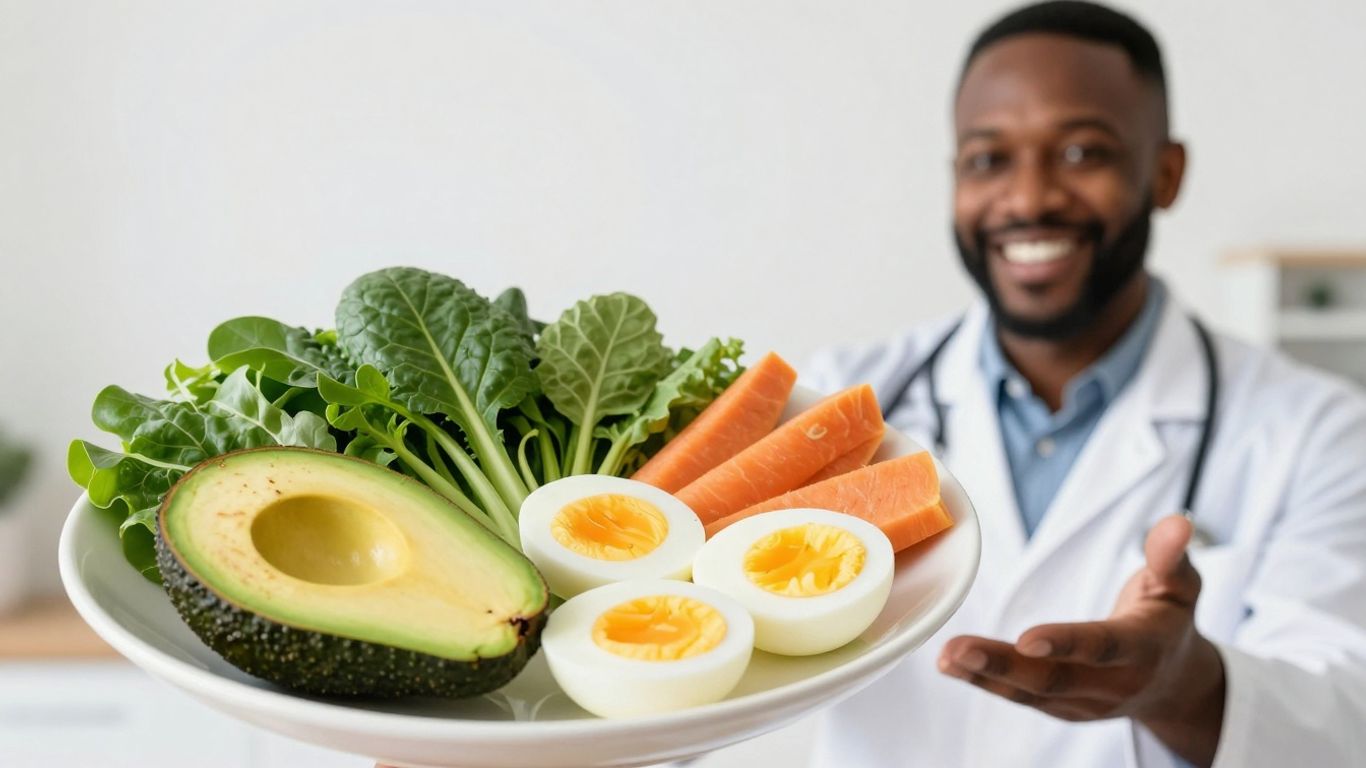
    • Recommended Foods: Pasture-raised eggs, shellfish, fish, sardines, organic meats, cheese (in moderation), olives, avocados, vegetables, nuts, and seeds.

    Understanding Ketones

    A ketone isn’t a fat, carbohydrate, or protein. It has characteristics of both fat and carbs, but it’s neither. Ketones come from fat and serve as an alternative fuel source for your body. You can produce ketones by lowering the carbohydrates in your diet or by eating less often. This is why a low-carb, ketogenic diet combined with intermittent fasting is recommended – it helps you make the most ketones.

    Benefits of Ketones

    • Increases oxygen in the body.
    • Boosts energy levels.
    • Supports brain health; your brain actually prefers ketones.
    • Supports heart health; ketones can help damaged heart tissue.

    Most body tissues can run on ketones, but some parts still need glucose. The good news is you don’t need to eat glucose. Your body can create its own glucose through a process called gluconeogenesis, using fat and protein. It takes about 3 to 5 days to start converting fat into ketones, and this timeframe can be longer if your pancreas is damaged or if you have insulin resistance, pre-diabetes, or diabetes.

    How to Achieve Ketosis

    Getting into ketosis is straightforward:

    1. Lower your carbohydrate intake.
    2. Lower the frequency of your meals.

    Why Embrace Ketosis?

    The main reason to pursue ketosis is to lower insulin levels. Many people have high insulin, which doctors often don’t test for, focusing instead on glucose. High insulin leads to insulin resistance, a root cause of pre-diabetes, metabolic syndrome, high blood pressure, and stubborn belly fat. Eventually, persistent high insulin can lead to type 2 diabetes.

    More Benefits of Keto and Intermittent Fasting

    Combining the ketogenic diet with intermittent fasting offers a wide range of advantages:

    • Reduces fat in the liver.
    • Improves cognitive performance and mood.
    • Helps decrease blood pressure and inflammation.
    • Increases energy levels.
    • Reduces belly fat.
    • Promotes autophagy, a cellular cleanup process where your body recycles damaged or unneeded proteins.

    One of the most significant benefits is that hunger tends to disappear, making the diet much easier to stick with long-term. Autophagy begins after about 18 hours of fasting.

    Healthy Keto vs. Dirty Keto

    It’s important to distinguish between healthy keto and dirty keto. Healthy keto focuses on nutrient-dense, high-quality foods like grass-fed meats and pasture-raised eggs. Dirty keto, on the other hand, primarily focuses on keeping carbs low, often with less healthy food choices. Healthy keto generally leads to better overall results and well-being.

    Your Plate on Keto

    A good guideline for a healthy keto plate is:

    • 5% Carbs (from non-starchy vegetables)
    • 20% Protein
    • 70% Fat

    When looking at your plate, aim for about half of it to be vegetables, a quarter protein, and a quarter fat. The vegetables provide essential vitamins, minerals, and phytonutrients.

    Combining Keto and Intermittent Fasting

    To maximize the benefits, combine keto with intermittent fasting. The ideal approach is to skip breakfast and have your first meal around lunchtime, followed by dinner. This two-meal structure, ideally within a 6-hour eating window, creates an 18-hour fast, triggering autophagy.

    To avoid snacking between meals, ensure your meals are satisfying with enough healthy fats. As you become more adapted, you might be able to reduce fat intake slightly as your body becomes more efficient at burning its own fat.

    During your fasting period (18 hours):

    • Drink plenty of fluids.
    • Take electrolytes and B vitamins.
    • Add sea salt to your water.

    Recommended Foods for Keto

    Focus on these nutrient-rich foods:

    • Pasture-raised eggs
    • Shellfish
    • Fish (especially sardines)
    • Organic meats
    • Cheese (in moderation, preferably grass-fed and organic)
    • Olives
    • Avocados
    • Plenty of vegetables (7-10 cups daily)
    • Nuts (be mindful if prone to kidney stones)
    • Seeds (like sunflower seeds)
  • Why Women Can’t Lose Belly Fat After Menopause

    Why Women Can’t Lose Belly Fat After Menopause

    It’s a common struggle for many women: trying to shed belly fat after menopause and finding it incredibly difficult. This isn’t just about diet and exercise; it’s deeply connected to hormonal shifts and how our nervous system functions during this life stage. Understanding these changes can be the key to finally seeing results.

    Key Takeaways

    • Menopause causes hormonal changes, primarily a drop in estrogen and progesterone, which can impact fat storage.
    • The adrenal glands are supposed to compensate for lower ovarian hormone production, but their strength is key.
    • The autonomic nervous system, specifically the balance between the sympathetic (fight-or-flight) and parasympathetic (rest-and-digest) systems, plays a major role.
    • After menopause, women often have a more dominant sympathetic system and a weaker parasympathetic system, hindering fat burning.
    • Focusing on strengthening the parasympathetic nervous system through rest and specific exercise strategies is vital for losing belly fat.

    Understanding Menopause and Hormonal Shifts

    Menopause marks a significant transition for women, primarily characterized by the ovaries ceasing egg production and releasing eggs. This leads to a natural decrease in hormone levels, especially estrogen and progesterone. While the adrenal glands are designed to step in and produce these hormones as a backup, their ability to do so effectively depends on their strength and stability beforehand. If the adrenals aren’t robust, menopausal symptoms can become more pronounced.

    Interestingly, the drop in progesterone can sometimes create a hormonal imbalance that appears like estrogen dominance, even though it’s more about the ratio between the two hormones. While hormone replacement therapy is an option for some, it comes with its own set of potential side effects and complications.

    The Autonomic Nervous System’s Role

    Beyond hormones, another critical player is the autonomic nervous system (ANS). This system manages your body’s automatic functions, adapting you to your environment. It has two main branches:

    1. The Sympathetic Nervous System: This is your "fight-or-flight" response. It kicks in during stress or physical exertion, increasing heart rate and blood pressure to prepare you for action.
    2. The Parasympathetic Nervous System: This is your "rest-and-digest" system. It calms your body down, promotes recovery, and is essential for functions like sleep and, importantly, fat burning.

    After menopause, many women find their sympathetic system becomes more dominant, while their parasympathetic system weakens. This imbalance can make it incredibly hard to lose weight, especially around the midsection, even with increased exercise.

    How to Exercise After Menopause

    The common advice to "just exercise more" can actually be counterproductive if not done correctly. While exercise stimulates the sympathetic nervous system, it doesn’t necessarily strengthen the parasympathetic system needed for fat burning. The key is to shift your approach and actively train your parasympathetic nervous system.

    This means focusing on recovery. When you exercise, especially high-intensity activities, your sympathetic system is active. The parasympathetic system then kicks in during rest periods to bring your body back to balance. If you don’t allow adequate rest between sets and between workouts, you’re not giving your parasympathetic system a chance to do its job.

    The Worst Exercise for Stomach Fat

    Sustained, moderate-intensity exercise, like long-distance running or jogging, can actually be detrimental. This type of activity keeps your sympathetic system activated for too long without sufficient recovery, potentially increasing cortisol and hindering fat loss.

    How to Burn Belly Fat After Menopause

    To effectively burn belly fat, you need to prioritize strengthening your parasympathetic nervous system. Here’s how:

    • Incorporate longer rest periods between exercise sets and between workout days. Wait until your heart rate returns to normal before starting the next set or workout.
    • Avoid overtraining. Listen to your body and don’t push yourself to the point of exhaustion.
    • Don’t train when you’re sore. Allow your body to recover fully.
    • Prioritize sleep. Good sleep is crucial for recovery and hormone regulation.
    • Consider bodywork therapies like chiropractic care, massage, or physical therapy to aid recovery.
    • Consume omega-3 fatty acids.
    • Consider DHEA supplementation (use with caution and follow recommended dosages, especially for women).
    • Adopt a low-carb diet with intermittent fasting. This naturally helps reduce sympathetic activity and boost parasympathetic function.
    • Ensure adequate intake of key nutrients: Magnesium, choline, vitamin B1, and vitamin D are important.
    • Explore adaptogenic herbs like lemon balm, passionflower, or ashwagandha, which can help manage stress and support the nervous system.

    By focusing on these strategies, you can help rebalance your nervous system, reduce stress hormones, improve sleep, and finally start to see that stubborn belly fat disappear.

  • If I Needed To Drop 25 Pounds FAST in 2026: Here’s What I Would Do

    If I Needed To Drop 25 Pounds FAST in 2026: Here’s What I Would Do

    With the new year approaching, many of us are thinking about resolutions. It might surprise you to learn that 40% of people still make New Year’s resolutions. However, if your goal is weight loss, there’s a tough statistic to face: over 90% of these resolutions fail. This often happens because people try to change too much at once. Studies show that making too many big changes simultaneously is a recipe for failure. The key to success lies in making small, sustainable changes that you can actually stick with.

    Key Takeaways

    • Focus on simple, sustainable changes: Avoid overwhelming yourself with too many new habits at once.
    • Intermittent fasting can be effective: Skipping breakfast is a common strategy that works for many.
    • Incorporate fiber and protein: These nutrients help with satiety and blood sugar control.
    • Increase daily movement: Aim for 10,000 steps a day to support fat loss and reduce stress.

    Skipping Breakfast: A Controversial but Effective Strategy

    One of the most effective ways to kickstart weight loss is to skip breakfast. While some experts debate this, especially concerning hormonal health and cortisol levels, the evidence for intermittent fasting (IF) in weight loss is strong. A large meta-analysis found IF works as well as, or even better than, traditional dieting for shedding pounds.

    Making skipping breakfast a daily habit can create a new, simple rhythm for your body. Start by pushing your breakfast back an hour each day until you reach noon. Aiming for a 15-hour fasting window daily can significantly help with weight loss.

    Why skipping breakfast works well for compliance:

    • Morning Routine: We’re generally better at sticking to routines in the morning. Waking up, having coffee, and delaying breakfast is often easier than managing evening eating habits with their many variables (stress, social events, late-night snacks).

    When skipping breakfast might not be ideal:

    • High Cortisol Levels: If you’re chronically stressed, your cortisol levels are already high. Adding fasting on top of this morning cortisol spike can create a "triple whammy" that negatively impacts hormonal health. In such cases, skipping dinner might be a better alternative.

    Ultimately, your fasting window is personal. If weight loss is your primary goal, skipping breakfast is often a simpler path. However, if you’re an extreme athlete needing morning fuel or dealing with chronic stress, adjusting your fasting window might be necessary.

    The Power of Fiber and Protein

    Replacing one meal a day with a big salad is another powerful strategy. Fiber acts as a "net" for glucose, slowing down sugar spikes after eating. This means your pancreas needs to produce less insulin, helping you stay more insulin-sensitive.

    Why fiber is important for weight loss:

    • Slows Glucose Absorption: Reduces the impact of sugar on your body.
    • Less Insulin Needed: Helps maintain hormonal balance.
    • Increases Satiety: Makes you feel fuller for longer.

    When building your salad, don’t forget to add high-quality protein. Aim for 20-40 grams of protein with each meal. Protein is the most filling macronutrient, helping to curb hunger and keep you satisfied throughout the day.

    Great sources of fiber include:

    • Vegetables: Cucumbers, carrots, tomatoes, celery, artichoke hearts
    • Legumes: Beans, lentils, chickpeas
    • Other: Edamame, quinoa, sweet potatoes, sauerkraut, kimchi

    Adding healthy fats like olive oil to your salad is also beneficial. Olive oil is rich in polyphenols that feed beneficial gut microbes, which play a role in regulating blood sugar. A healthy microbiome is key for weight management, especially if you’ve taken antibiotics or birth control.

    Protein Pacing: The Ultimate Weight Loss Tool

    Protein pacing involves ensuring you get 20-40 grams of protein at every meal. Studies show that combining intermittent fasting with protein pacing significantly outperforms traditional low-calorie diets for weight loss. This strategy is effective for two main reasons:

    1. Satiety: Protein keeps you feeling full, making it easier to stick to healthy eating habits throughout the day.
    2. Thermogenesis: Your body uses more energy to digest protein compared to fats or carbs, which can help speed up your metabolism.

    Research indicates that the group practicing intermittent fasting with protein pacing experienced twice the overall weight loss and belly fat loss, along with a greater reduction in appetite, compared to those on a standard calorie-counting diet.

    Track Your Daily Steps

    Don’t underestimate the power of tracking your daily steps. While the gym can be intimidating, aiming for 10,000 steps a day is a more accessible and sustainable form of exercise for many. Simply tracking your steps can increase your daily count significantly.

    Benefits of walking:

    • Fat Loss: Walking is a great activity for shedding fat.
    • Overall Health: Studies show that walking 7,000 steps a day is linked to a lower risk of all-cause mortality, cardiovascular disease, cancer, dementia, depression, type 2 diabetes, and falls.
    • Cortisol Reduction: The rhythmic motion of walking calms the brain and helps lower cortisol levels. Since high cortisol can lead to weight gain, especially around the belly, walking is a powerful tool for managing stress and promoting fat loss.

    Putting It All Together

    To recap, if you need to drop 25 pounds fast in 2026, focus on these four simple, sustainable habits:

    1. Skip Breakfast: Engage in intermittent fasting, aiming for a 15-17 hour window, especially if you’re not chronically stressed or a high-intensity morning exerciser.
    2. Eat a Big Salad: Incorporate fiber into one meal a day to help manage blood sugar and increase fullness.
    3. Practice Protein Pacing: Ensure every meal contains 20-40 grams of protein to maximize satiety and metabolism.
    4. Track Your Steps: Aim for 7,000-10,000 steps daily to support fat loss and reduce stress.

    These strategies are designed to be manageable and effective, helping you finally achieve your weight loss goals. Remember, weight loss isn’t as hard as it seems when you have the right formula. Don’t give up on yourself!

  • Secret to Losing Weight Without Exercise | Dr Eric Berg Style

    Secret to Losing Weight Without Exercise | Dr Eric Berg Style

    We’ve all been told for years that losing weight is all about calories: eat less, move more. But what if that’s not the whole story? This video dives into why your body isn’t a simple calculator and how hormones, especially insulin, play a much bigger role in fat loss than we’ve been led to believe. It turns out, managing your hormones might be the real key to shedding stubborn weight.

    Key Takeaways

    • Hormones, not calories, are the primary drivers of fat loss.
    • Lowering insulin levels is essential for burning stored fat.
    • Intermittent fasting and nutrient-dense foods can trigger fat loss automatically.
    • Exercise is beneficial but not the main factor for weight loss if insulin is high.

    Why Calories Aren’t The Whole Story

    For decades, the message has been clear: burn more calories than you consume, and you’ll lose weight. But if that were true, everyone who starved themselves and worked out constantly would be lean. The reality is, millions struggle with stubborn fat despite these efforts. Why? Because our bodies are complex machines run by hormones, not simple calculators. If calories were the only factor, diet and exercise would be a guaranteed win. But they’re not. Hormones are the real drivers, and the most critical one in this equation is insulin.

    Think of it this way: when insulin is high, your body stores fat, period. It doesn’t matter if you’re eating 1,000 calories or 5,000 calories. Your body is in storage mode. This is why eating the same number of calories from sugar versus healthy fats yields vastly different results. Sugar spikes insulin, locking fat away and making you hungry. Healthy fats, on the other hand, keep insulin low, allowing your body to tap into stored fat for energy.

    Insulin: The Master Fat-Storing Hormone

    Insulin is the key that dictates whether fat is stored or burned. The moment you eat, especially carbohydrates or sugar, insulin levels rise. This signals your body to go into storage mode. Any energy you could have burned is now locked inside fat cells, unavailable for use. Even exercising right after eating won’t tap into fat reserves; it only burns the sugar circulating in your blood. This is why many people feel exhausted after workouts and see no change in their waistline – their body can’t access stored fat because insulin is blocking the way.

    Imagine insulin as a security guard at the door of your fat cells. As long as he’s there, nothing gets out. You can run, lift, and sweat all you want, but fat remains locked away until insulin levels drop. The common mistake is focusing on moving more instead of lowering insulin. But when you lower insulin, even without intense activity, your body has no choice but to release stored fat for energy. That’s when weight loss becomes automatic.

    The Hidden Trap of Snacking

    One of the biggest mistakes people make is constant snacking. We’ve been told to eat every few hours to keep our metabolism active. But every time you eat, even a small snack like a granola bar or a handful of nuts, you trigger an insulin spike. As long as insulin is elevated, your body cannot burn fat. If you’re grazing all day, you never give your body the chance to switch into fat-burning mode. Your body is designed to store energy when you eat and burn it when you don’t. Constant eating keeps you in storage mode.

    That mid-morning snack, afternoon pick-me-up, or late-night bite might seem harmless, but they continuously nudge insulin up. Over time, this leads to stubborn weight gain, cravings, and fatigue. People blame age, genetics, or metabolism, but often, it’s simply the frequency of eating that sabotages them. When you stop snacking, insulin drops between meals, giving your body the green light to use stored fat for energy. You feel more stable, energized, and surprisingly less hungry. It’s not about willpower; it’s about understanding physiology.

    Intermittent Fasting: Eating Less Often, Not Less Food

    Intermittent fasting is where things start to click. It’s not about eating less food overall, but about eating less often. By stretching the time between meals, you allow insulin to come down. When insulin drops low enough, your body is forced to switch fuel sources, moving from burning sugar to burning stored fat. This is the hidden switch most people never activate.

    Initially, people worry about skipping breakfast or extending their eating window, fearing weakness or fatigue. However, the opposite often happens. Once insulin is low, your body becomes efficient at burning fat, which provides steady, long-lasting fuel. Many people who start intermittent fasting notice increased energy, sharper focus, and decreased hunger. They escape the blood sugar roller coaster. Intermittent fasting doesn’t just burn fat; it heals the metabolism, lowers inflammation, improves insulin sensitivity, and allows the body to repair.

    Sugar and Refined Carbs: The Real Culprits

    Sugar and refined carbohydrates are at the root of most weight problems. These foods don’t just give a quick energy burst; they hijack your hormones. Sugar causes insulin to spike dramatically, leading to fat storage. This spike is quickly followed by a blood sugar crash, which triggers more sugar cravings, creating a vicious cycle. Your body sees refined carbs like bread, pasta, and cereal as sugar, leading to similar insulin spikes and crashes.

    This constant hormonal roller coaster leaves people tired, craving carbs, crashing in the afternoon, and seeking sweets in the evening. It’s not a lack of willpower; it’s biochemistry. When you remove sugar and refined carbs, insulin calms down, cravings disappear, and your body can finally use fat as its primary fuel. Within days, energy stabilizes, appetite shrinks, and the scale starts moving without conscious effort.

    Nutrient-Dense Foods for a Healthy Metabolism

    Many people are overweight not because they eat too much, but because their bodies are starving for nutrients. Foods like chips, cereal, and fast food are calorie-dense but nutrient-poor. They flood your system with calories but lack essential vitamins and minerals, leaving you hungry because your body is desperately seeking what’s missing. Replacing these empty foods with nutrient-dense options like leafy greens, cruciferous vegetables, high-quality proteins, and healthy fats satisfies your cells. Hunger signals calm down, cravings fade, energy rises, and weight loss becomes automatic because your body is finally nourished.

    Fat Burning at Rest: Losing Weight Even While Sleeping

    Once you lower insulin and your body switches to fat-burning mode, this process continues even when you’re at rest. Your body constantly burns energy, whether you’re walking, sitting, or sleeping. When insulin is low, stored fat becomes the preferred fuel. This means your body is continuously burning fat reserves, even without you lifting a finger. People who balance their hormones notice changes in their waistline without exercising because their body becomes a 24/7 fat-burning machine.

    Exercise Is Optional, Not Essential for Fat Loss

    We’re conditioned to believe that intense exercise is the key to weight loss. However, if insulin is high, exercise won’t unlock fat burning. You could run miles or lift weights, but as long as insulin is elevated, your body burns sugar, not fat. This is why many people work out diligently without seeing results. Exercise is fantastic for strength, cardiovascular health, and mood, but it’s not the primary switch for fat loss – insulin is.

    Think of exercise as the accelerator and insulin as the brake. You can press the accelerator all you want, but if the brake is on, the car won’t move. Lowering insulin first allows exercise to become a bonus, not a desperate necessity. This offers freedom: you don’t need punishing gym sessions. Once hormones are managed, even light activity like walking supports fat burning because your body is already in the right state. The pressure is off, and biology works for you.

    The Path to Effortless and Sustainable Weight Loss

    When hormones are balanced, weight loss transforms. Cravings diminish, hunger subsides, and you naturally eat less because you’re satisfied. The urge to snack fades, and food obsession disappears. You’re in control without trying. This is about working with your biology. When insulin is lowered, hunger hormones calm down, fat stores open up, and energy becomes steady. You’re fueled by your own abundant stored fat. This leads to what many describe as effortless weight loss – no starvation, no exhaustion, just a yoyo-free cycle.

    Health improves, energy soars, and confidence returns, all without punishing exercise or complicated diets. Weight loss becomes freedom from constant hunger, guilt, and food control. This transformation doesn’t require superhuman effort; it requires understanding and applying hormonal science. Once insulin is managed, your body naturally burns fat, restores balance, and thrives. The secret isn’t pushing harder; it’s creating the right internal environment. Lower insulin, stop constant sugar and snacks, and provide nutrient-dense foods at the right times. Fat burning becomes your natural state, and results follow you.

  • How to Lose Fat & Gain Muscle With Nutrition | Dr. Eric Berg

    How to Lose Fat & Gain Muscle With Nutrition | Dr. Eric Berg

    Most people think you need two separate diets, one for losing fat and one for building muscle, but that’s completely wrong. The truth is, if your hormones are out of balance and your nutrition is deficient, you’ll struggle to do either, no matter how hard you train or how many meals you eat. In today’s video, we’re going to break down how to lose fat and gain muscle at the same time using a powerful nutrition-first approach that works especially well for people over 40, 50, and even 60.

    Key Takeaways

    • Fat loss and muscle gain are driven by hormones, not just calories.
    • Insulin is a major hormone that can block fat burning when chronically elevated.
    • Growth hormone and testosterone are key for muscle building, activated by fasting and sleep.
    • Cortisol, the stress hormone, can lead to muscle breakdown and fat gain when chronically high.
    • Thyroid hormone regulates metabolism, and diets too low in calories can slow it down.
    • Focusing on nutrient-dense, hormonally balanced meals is more effective than just counting calories.
    • Protein timing, quality, and quantity are vital for muscle growth, especially as you age.
    • Micronutrients like magnesium, zinc, and B vitamins support muscle repair and hormone balance.
    • Intermittent fasting and nutrient-dense meals work together to optimize fat loss and muscle gain.

    Rethinking Weight Management: Hormones Over Calories

    The common idea that managing weight is simply about calories in versus calories out is flawed, especially when trying to lose fat and gain muscle simultaneously. While calories matter, hormones are the real drivers of body composition changes. Hormones like insulin, cortisol, growth hormone, and thyroid hormones dictate whether your body stores fat or burns it, breaks down muscle or builds it.

    Eating a low-calorie diet without considering hormonal impact often leads to losing both fat and muscle, slowing metabolism and increasing the risk of regaining weight. On the other hand, eating nutrient-dense, hormonally balanced meals allows for efficient fat burning while preserving or even building muscle, without feeling deprived.

    The Role of Insulin

    Insulin is a key player. It’s an anabolic hormone that promotes storage. When insulin is constantly high, often due to frequent snacking, processed carbs, and sugary foods, the body becomes insulin resistant. This state completely blocks fat burning because insulin is a fat-storing hormone. Even in a calorie deficit, you might struggle to lose fat if insulin remains high.

    Building Muscle: Growth Hormone and Testosterone

    Muscle gain requires anabolic signaling, but not solely through insulin. Growth hormone and testosterone are more powerful drivers of lean muscle. These are activated by strategies like intermittent fasting, intense training, quality sleep, and nutrient-rich meals, not by constant eating. Growth hormone is secreted during deep sleep and fasting, helping preserve lean tissue and mobilize fat. Chronically elevated insulin and cortisol suppress growth hormone, making muscle gain difficult.

    The Impact of Cortisol and Thyroid Hormones

    Cortisol, the stress hormone, can help burn fat in short bursts. But when chronically elevated from poor sleep, stimulants, or stress, it shifts the body into a catabolic state, breaking down muscle for glucose. High cortisol also lowers testosterone and growth hormone, favoring fat gain and muscle loss, especially around the abdomen.

    Thyroid hormone regulates metabolic rate. Low-calorie diets can trigger a drop in thyroid output, slowing metabolism and making fat loss harder. The solution isn’t more restriction, but strategic nutrition with nutrients like selenium, iodine, and zinc to support thyroid function.

    Optimizing Protein Intake for Muscle Growth and Fat Loss

    Protein is the building block for muscle repair and growth. However, its effectiveness depends on timing, quality, and quantity.

    Protein Timing

    Spreading protein intake evenly throughout the day, especially around workouts, is more effective than consuming it all in one meal. The body can only use a certain amount of protein for muscle building at one time (around 25-40 grams). Post-workout protein is particularly important, as muscles are more sensitive to amino acids then. A balanced meal with protein, healthy fats, and vegetables within one to two hours after training can be very effective.

    Protein Quality

    Complete proteins, containing all nine essential amino acids, are best for muscle building. Animal proteins like eggs, grass-fed beef, and fish are excellent sources. Plant-based eaters need to combine foods (like rice and beans) to get a full amino acid profile. Leucine, an amino acid found in higher amounts in animal proteins, is particularly important for stimulating muscle protein synthesis.

    Protein Quantity

    As we age, the body becomes less sensitive to protein (anabolic resistance). Older adults may need more protein per kilogram of body weight daily to achieve the same muscle-building response. Protein also aids fat loss by increasing satiety and having a higher thermic effect (burning more calories during digestion).

    Digestion and Absorption

    Even with adequate protein intake, poor digestion can hinder absorption. Supporting digestion with apple cider vinegar, enzymes, or fermented foods can improve nutrient utilization.

    Understanding Insulin’s Role in Metabolism

    Insulin is more than just a blood sugar regulator; it’s a gatekeeper of your metabolism, controlling fat storage, muscle building, and energy use.

    Insulin and Fat Storage

    When you eat carbs or protein, insulin rises to move glucose into cells. Once glycogen stores are full, excess glucose is converted to fat. When insulin is elevated, fat burning is shut off. Chronically high insulin, often from frequent eating and poor food choices, leads to insulin resistance, where cells become less responsive, causing more insulin to be produced and leading to fat accumulation, especially around the belly.

    Insulin and Muscle Building

    Low insulin levels, achieved through fasting or low-carb eating, allow the body to tap into fat stores, increase growth hormone, and repair tissues. While a small insulin spike after a workout can help shuttle amino acids into muscles, constantly elevated insulin can lead to muscle breakdown, particularly in older adults.

    Managing Insulin Levels

    High-glycemic foods cause rapid insulin spikes. Meals rich in healthy fats, quality protein, and fiber lead to a minimal insulin response, keeping the body in a fat-burning state longer. Intermittent fasting helps lower insulin levels between meals.

    Stress also impacts insulin. High cortisol from stress or poor sleep can raise blood sugar and insulin, promoting fat storage and blocking muscle-building hormones.

    Key Nutrients That Ignite Muscle-Building Pathways

    Muscle growth isn’t just about exercise; it’s about providing the right nutrients that signal the body to build and repair tissue.

    Leucine and mTOR

    Leucine, an amino acid, directly stimulates the mTOR pathway, which is key for cellular growth and protein synthesis. Foods rich in leucine, like eggs and whey protein, are effective for muscle recovery.

    Micronutrients for Muscle Health

    • Magnesium: Involved in energy production and muscle contraction. It also supports testosterone production. Low magnesium can lead to fatigue and slower recovery.
    • Zinc: Essential for cellular repair and hormone balance, influencing growth hormone and testosterone. Low zinc is linked to muscle weakness.
    • B Vitamins (B6, B12, Folate): Crucial for amino acid metabolism and red blood cell production, which delivers oxygen to muscles. B12 is important for nerve function and can be poorly absorbed by seniors.
    • Vitamin D3: Supports calcium absorption and neuromuscular communication, enhancing muscle strength and response to training, especially important for older adults.

    Hydration and Electrolytes

    Muscles are about 75% water. Proper fluid and electrolyte balance (potassium, sodium, calcium) is needed for muscle contraction and communication. Dehydration impairs performance and muscle protein synthesis.

    Intermittent Fasting and Nutrient-Dense Meals: A Powerful Combo

    Combining intermittent fasting (IF) with nutrient-dense meals creates a metabolic synergy for fat loss, muscle preservation, and overall health.

    Benefits of Intermittent Fasting

    IF involves compressing your eating window, allowing insulin levels to drop and giving the body time to access stored fat for energy. This period of low insulin activates growth hormone and autophagy (cellular cleanup). IF also improves insulin sensitivity, making your body more efficient at using nutrients for tissue repair rather than fat storage.

    The Importance of Nutrient Density

    Nutrient-dense foods are rich in vitamins, minerals, and healthy fats without excess calories. Breaking a fast with processed foods can negate the benefits of fasting. Instead, meals high in protein, healthy fats, and low in carbs (like eggs, grass-fed beef, avocado, salmon) stabilize blood sugar, fuel the brain, and promote muscle recovery.

    Synergistic Effects

    When combined, IF and nutrient-dense meals amplify muscle building. The body becomes more sensitive to anabolic signals after fasting. This strategy also reduces chronic inflammation, enhances cellular health through autophagy and rebuilding, and improves cognitive function by increasing BDNF (brain-derived neurotrophic factor).

    This approach simplifies eating, reduces decision fatigue, and allows the digestive system to rest, stabilizing hormones for better metabolic health.

  • One Spoon of Peanut Butter Before Bed — Melts Belly Fat Like Ozempic | Dr. Mandell

    One Spoon of Peanut Butter Before Bed — Melts Belly Fat Like Ozempic | Dr. Mandell

    What if a common kitchen staple could activate the same fat-burning switches targeted by expensive weight-loss drugs? Many people spend a lot on injections to manage appetite and blood sugar, but our bodies have natural ways to achieve this, and something as simple as a spoonful of peanut butter before bed can help.

    Key Takeaways

    • Peanut butter can help regulate appetite and blood sugar overnight.
    • It supports better sleep and reduces cortisol spikes.
    • The healthy fats and protein provide sustained energy.
    • It stimulates satiety hormones like GLP-1, similar to weight-loss drugs.
    • A small amount (one tablespoon) is recommended before bed.

    How Peanut Butter Works Overnight

    When you go to sleep with an empty stomach, your blood sugar can drop during the night. This triggers a stress response, raising cortisol and adrenaline to keep your brain fueled. High cortisol levels make it harder to burn fat, can increase belly fat storage, and disrupt sleep. It’s like your body panics and holds onto fat instead of burning it.

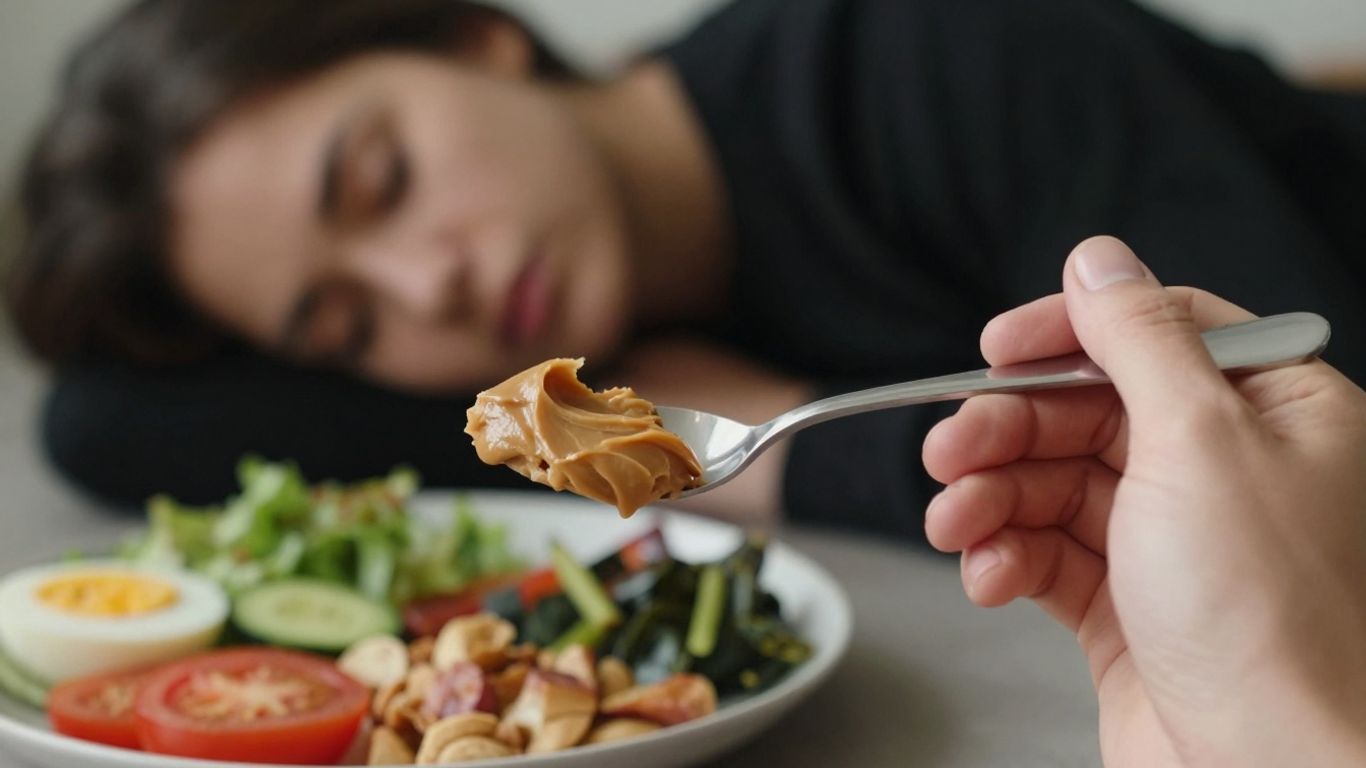
    However, taking just one tablespoon of natural peanut butter about 30 minutes before bed can change this. Peanut butter is packed with protein, including amino acids like tryptophan and arginine. Tryptophan is a building block for serotonin, which then converts to melatonin, the hormone that regulates sleep. Arginine helps improve circulation and vascular function by converting into nitric oxide, supporting repair and oxygen delivery while you sleep.

    The healthy fats in peanut butter, mostly monounsaturated fats, digest slowly. This means instead of a spike and crash in blood sugar, your body gets a steady release of energy throughout the night. This slow, steady burn helps prevent the cortisol spikes that can interfere with fat burning.

    The Science Behind the Satiety Hormones

    Peanut butter also slows down digestion. This action stimulates satiety hormones like GLP-1 and PYY. GLP-1 is the same hormone that drugs like Ozempic are designed to mimic. When GLP-1 levels increase, your stomach empties more slowly, hunger decreases, and your pancreas gets a break from producing insulin. Lower insulin levels at night can lead to less fat storage and better fat mobilization.

    Research supports these effects. A study in the British Journal of Nutrition found that peanuts help stabilize blood sugar for hours. Another trial showed that peanuts reduce post-meal blood sugar spikes and increase feelings of fullness. A review in Nutrients confirmed that eating nuts stimulates GLP-1 secretion, similar to what medications aim to do.

    Addressing Weight Gain Concerns

    You might wonder if eating before bed leads to weight gain. It depends on what you eat. Refined carbs or sugar at night can promote fat storage. But a small, controlled serving of slow-digesting protein and fat can have the opposite effect, helping to balance your metabolism for the next morning.

    Many people who try this find they have fewer cravings the next day, more stable energy, and better appetite control. At around 90 calories, a tablespoon of peanut butter isn’t enough to cause fat gain but is sufficient to help keep your hormones steady overnight.

    How to Try It

    Here’s what you need to do:

    1. Choose the right peanut butter: Opt for one tablespoon of natural or organic peanut butter. Look for options with no added sugar or hydrogenated oils.
    2. Timing is key: Consume it about 30 minutes before you go to sleep.
    3. Pair it: Have it with a glass of water or herbal tea.

    This timing allows your body to release satiety hormones and stabilize blood sugar before you sleep.

    Your Seven-Night Challenge

    Try this simple habit for seven consecutive nights. Pay attention to your sleep quality, any late-night cravings, and how you feel when you wake up. Do you feel calmer, less hungry, and more in control? This isn’t magic; it’s your body’s natural physiology responding as it was designed to.

    In a world focused on expensive solutions, remember that your body has built-in systems for appetite control, metabolism, and fat burning. Sometimes, the simplest inputs can activate them. One spoonful of peanut butter before bed is simple, scientifically supported, and accessible to most people. It might just surprise you with its effectiveness.

  • How to Do Intermittent Fasting for SERIOUS WEIGHT LOSS

    How to Do Intermittent Fasting for SERIOUS WEIGHT LOSS

    Intermittent fasting is a popular way to approach weight loss and improve overall health. It’s not a diet in the traditional sense, but rather a pattern of when you eat and when you don’t. This method can save you time and money, while also offering significant health advantages.

    Key Takeaways

    • Intermittent fasting is a pattern of eating and not eating, not a diet.
    • It helps reduce insulin spikes, which is beneficial for weight loss and health.
    • The process can be gradually implemented in stages to make it easier to adapt.
    • Combining fasting with a healthy keto diet can enhance results.
    • Adding periodic prolonged fasting can offer even greater health and weight loss benefits.

    Understanding Intermittent Fasting

    At its core, intermittent fasting is about controlling when you eat. Every time you consume food, your body releases insulin. The less frequently you eat, the less insulin you trigger, leading to more health benefits. Our bodies are actually well-equipped for periods without food, as our ancestors didn’t have constant access to meals. These fasting periods can activate survival genes that help with repair and reduce the risk of diseases.

    Instead of asking your body what it’s in the mood for, which often leads to unhealthy choices like donuts or chips, intermittent fasting puts you in control. This is especially important if you struggle with blood sugar issues. By taking charge of your eating schedule, you gain control over your willpower, self-discipline, and ultimately, your health.

    Gradual Stages of Intermittent Fasting

    To make the transition to intermittent fasting smoother, it’s best to do it in stages. Only move to the next stage when your body feels fully adjusted to the current one.

    Stage One: Three Meals Without Snacks

    Start by simply eliminating snacks between your three daily meals. Focus on consuming your meals without grazing throughout the day. Stick with this until you feel comfortable.

    Stage Two: Skipping Breakfast

    The next step is to skip breakfast. Aim to have your first meal around noon and your last meal by 6 PM. This creates an eating window of about six hours and a fasting period of 18 hours. If you must snack, do so within your eating window.

    To help with longer fasting periods, consider adding healthy fats to your meals. Fats like avocado, macadamia nuts, or pecans can help you feel fuller for longer and make it easier to progress to the next stages.

    Tips for Improving Results:

    • Start your first meal with a large salad: Include plenty of fiber and a generous amount of extra virgin olive oil. The fiber helps buffer insulin, and the oil doesn’t trigger insulin much. The oil also helps your body absorb fat-soluble nutrients.
    • Add vinegar: Apple cider vinegar or balsamic vinaigrette has a potent effect on lowering blood sugar and insulin. A tablespoon in water a few times a day can be very helpful.
    • Incorporate cinnamon: This spice can also help manage blood sugar levels.
    • Get enough Vitamin D: Increasing your Vitamin D intake, perhaps through more sun exposure, can also be beneficial.

    Stage Three: Narrowing the Eating Window

    Once you’re comfortable with the 18-hour fast, start bringing your two meals closer together. Aim for a four-hour eating window. For example, have your first meal at 2 PM and your last meal at 6 PM. This gives you a 20-hour fasting window, which can lead to more fat loss.

    Stage Four: One Meal A Day (OMAD)

    This is often called OMAD, or One Meal A Day. Combine your two meals into one large, nutrient-dense meal. While you might consume fewer calories overall, the main benefit comes from the extended 23-hour fasting period. This longer fast can significantly boost your immune system, brain function, and anti-aging processes.

    A Slight Tweak for Better Sleep and Insulin Control:

    Consider having your single meal no later than 3 PM. Eating later in the day can sometimes interfere with sleep cycles and activate certain genes that hinder rest. Eating earlier, around midday, may lead to better sleep, which in turn helps with fat burning by reducing cortisol and increasing growth hormone.

    Stage Five: Periodic Prolonged Fasting

    For even greater benefits, especially for your immune system and potentially cancer prevention, introduce periodic prolonged fasting. Once a week or every two weeks, try a 48 to 72-hour fast. You could even experiment with a 120-hour (five-day) fast. Extended fasting periods can help destroy unhealthy cells in your body.

    Getting Started

    Intermittent fasting offers a powerful path to serious weight loss and improved health. Don’t wait for widespread medical approval; the best way to understand its benefits is to try it yourself. Start today and discover what intermittent fasting can do for you. If you’re wondering what to eat, there are resources available to guide you.

  • The 10 Top Foods That Help You Lose Belly Fat Fast

    The 10 Top Foods That Help You Lose Belly Fat Fast

    If you’re looking to shed those extra pounds around your midsection, you’re in the right place. Today, we’re diving into ten specific foods that can make a real difference in reducing belly fat. It’s all about understanding what causes it and how these foods can help.

    Key Takeaways

    • Understand Belly Fat: Belly fat, also known as visceral fat, is closely linked to high cortisol levels and a fatty liver.
    • Cortisol’s Role: This stress hormone can convert protein into sugar, leading to increased insulin, which in turn promotes belly fat storage.
    • Liver Health is Key: A fatty liver often precedes the accumulation of belly fat, so supporting your liver is crucial.
    • Targeted Nutrition: The best foods for losing belly fat either help lower insulin, reduce cortisol, or support liver function.

    The Connection Between Cortisol, Insulin, and Belly Fat

    Belly fat, or visceral fat, is more than just a cosmetic concern; it’s linked to your body’s hormonal balance. A key player here is cortisol, a stress hormone. When your cortisol levels are high, your body can convert protein into sugar, a process that happens in the liver. This surge in sugar production then causes your insulin levels to rise. Insulin is a fat-storing hormone, and consistently high levels can lead to the accumulation of fat, particularly around your abdomen.

    Interestingly, high cortisol can even lead to conditions like diabetes, similar to the side effects of medications like prednisone, which is a synthetic form of cortisol. So, whether your insulin spikes come from eating too many carbs, too much sugar, or from elevated cortisol due to stress, or even from eating too frequently throughout the day, the result can be excess belly fat.

    Often, belly fat appears after the liver has become fatty. This is because the visceral fat surrounding your organs is essentially a spillover from an overloaded liver. If you can’t see your feet when looking down, it’s a strong sign your liver is carrying excess fat.

    Ten Foods to Help You Lose Belly Fat

    The foods that can help you lose belly fat need to address these issues: lowering insulin, reducing cortisol, or supporting a fatty liver. You might be surprised that some healthy fats are on this list, as they can be beneficial for liver health and fat loss.

    Here are the top 10 foods:

    1. Eggs: Eggs are a fantastic source of high-quality protein with virtually no carbohydrates. This means they don’t spike insulin. Instead, they trigger glucagon, a hormone that helps burn fat. Eggs also contain lecithin and choline, which aid in breaking down fat in the liver.
    2. Salmon: Rich in omega-3 fatty acids, salmon helps make insulin more sensitive, thereby reducing insulin levels. It also plays a role in lowering cortisol. Plus, it’s very low in carbohydrates.
    3. Cod Liver and Cod Liver Oil: Similar to salmon, cod liver and its oil are packed with omega-3s, which help with insulin sensitivity and cortisol reduction. While some may not enjoy the taste of cod liver oil, capsules are a convenient alternative.
    4. Sauerkraut: This fermented cabbage can improve liver function and has been shown to help reduce liver fat. It’s anti-inflammatory, and its fiber feeds beneficial gut microbes. Sauerkraut is also an excellent source of Vitamin C, which is vital for adrenal health and managing cortisol.
    5. Cruciferous Vegetables: This group includes kale, broccoli, and Brussels sprouts. They contain phytonutrients that support liver health. Minerals like potassium and magnesium found in these vegetables help lower stress, reduce cortisol, and promote better sleep. Potassium is particularly important for lowering insulin.
    6. Hamburger: Opt for high-quality, grass-fed hamburger without the bun, ketchup, or fries. Hamburger is a good source of fat and red meat, is nutrient-dense, and has a minimal impact on insulin levels due to its low carbohydrate content.
    7. Avocados: Avocados contain a compound called avocatin B, which can help improve blood sugar control and insulin sensitivity. They are also excellent for those with fatty liver and are a great ketogenic food due to their high healthy fat content and low carbs.
    8. Broccoli Sprouts: Broccoli sprouts are rich in sulforaphane, a phytonutrient known for its health benefits, including reducing visceral fat. Studies suggest it can significantly decrease belly fat and liver fat.
    9. Asparagus: Asparagus contains asparagine, a chemical that helps detoxify ammonia from the liver, a byproduct of protein metabolism. It also aids in improving blood sugar and insulin sensitivity. The fiber in asparagus is also beneficial for gut health.
    10. Nutritional Yeast (Unfortified): Choose unfortified nutritional yeast to avoid synthetic vitamins. It provides B vitamins that support liver health and B1, which helps reduce cortisol and stress. It has a cheesy flavor and can be a tasty addition to salads.

    Combining these foods can create powerful meals. Imagine a salad with cruciferous vegetables, avocado, and nutritional yeast, served with a side of hamburger and sauerkraut. This combination addresses multiple factors for belly fat reduction.

  • The #1 Thing that STOPS You From Losing Belly Fat: Not Sugar or Carbs

    The #1 Thing that STOPS You From Losing Belly Fat: Not Sugar or Carbs

    If you’re hitting the gym, sticking to keto, and practicing intermittent fasting, but that stubborn belly fat just won’t budge, there might be a surprising culprit. It turns out, the main thing holding you back might not be sugar or carbs at all. Many people struggle with their midsection despite their best efforts, and today we’re diving into a common barrier that could be the reason.

    Key Takeaways

    • Alcohol consumption is a major roadblock to losing belly fat, even if you’re following a keto or fasting diet.
    • While pure alcohol isn’t a carb or sugar, it indirectly causes severe insulin resistance and liver damage.
    • Alcohol consumption blocks your body’s ability to burn fat for up to 72 hours.
    • Claims of alcohol’s health benefits are largely debunked marketing tactics.
    • Alcohol depletes essential nutrients and negatively impacts various bodily systems.

    The Surprising Culprit: Alcohol

    Many people believe that because pure alcohol doesn’t directly raise blood sugar or insulin, it’s fine for diets like keto. Some even look for "keto-friendly" wines. While it’s true that pure alcohol isn’t a carb or sugar, it has a significant indirect effect. Your liver treats alcohol as a poison, and the process of breaking it down can lead to fat buildup in liver cells, potentially causing a fatty liver. This can then lead to inflammation, scarring, and in the long run, increase the risk of serious liver problems like cirrhosis and even liver cancer.

    How Alcohol Hinders Fat Burning

    One of the biggest issues with alcohol is its impact on your body’s fat-burning capabilities. After consuming alcohol, your body essentially stops burning fat. Don’t expect to burn any significant amount of fat for a good 48 to 72 hours after you’ve had a drink. This means that even if you’re diligent with your diet and exercise most of the week, weekend drinking can completely undo your progress.

    Debunking Alcohol’s So-Called Benefits

    You might have heard that drinking alcohol in moderation has health benefits. However, recent findings suggest this was largely a marketing strategy by the alcohol industry. There’s actually no proven benefit to drinking any amount of alcohol.

    Beyond Belly Fat: Other Negative Effects

    Alcohol’s negative effects don’t stop at hindering fat loss. It can also negatively impact:

    • The Brain: Affecting cognitive function and mood.
    • The Endocrine System: Disrupting hormone balance, such as increasing estrogen and decreasing testosterone in men.
    • The Gut Microbiome: Causing imbalances that affect overall health.
    • The Heart: Contributing to cardiovascular issues.

    Alcohol is also a source of "empty calories." For every gram, it contains seven calories, similar to fat, but without any nutritional value. In fact, metabolizing alcohol uses up important nutrients like B vitamins (especially B1), zinc, and copper. A deficiency in B1, for example, can lead to anxiety, excessive thinking, fatigue, and sleep problems.

    Actionable Steps to Take

    If you’re serious about losing belly fat and improving your overall health, it’s time to reconsider your alcohol consumption.

    Here are some steps you can take:

    1. Reduce or Eliminate Alcohol: The most direct approach is to cut back or stop drinking alcohol altogether, especially if belly fat is your primary concern.
    2. Identify Your Triggers: If you drink to cope with stress or for social reasons, find natural alternatives. Try stress-reducing herbs like lemon balm or ashwagandha, or focus on non-drinking social activities.
    3. Dilute Your Drinks: If you can’t stop completely, try diluting alcoholic beverages with sparkling water. This halves the amount of alcohol you consume.
    4. Protect Your Liver: Consider taking milk thistle before drinking. This herb is known to help protect the liver from toxins.
    5. Try Kombucha: For a satisfying, fizzy alternative, try low-sugar kombucha tea. It offers a similar relaxed feeling without the harsh effects of alcohol and contains a very small amount of alcohol naturally.

    By understanding the real impact of alcohol on your body, you can make informed choices to finally tackle that stubborn belly fat and improve your health.