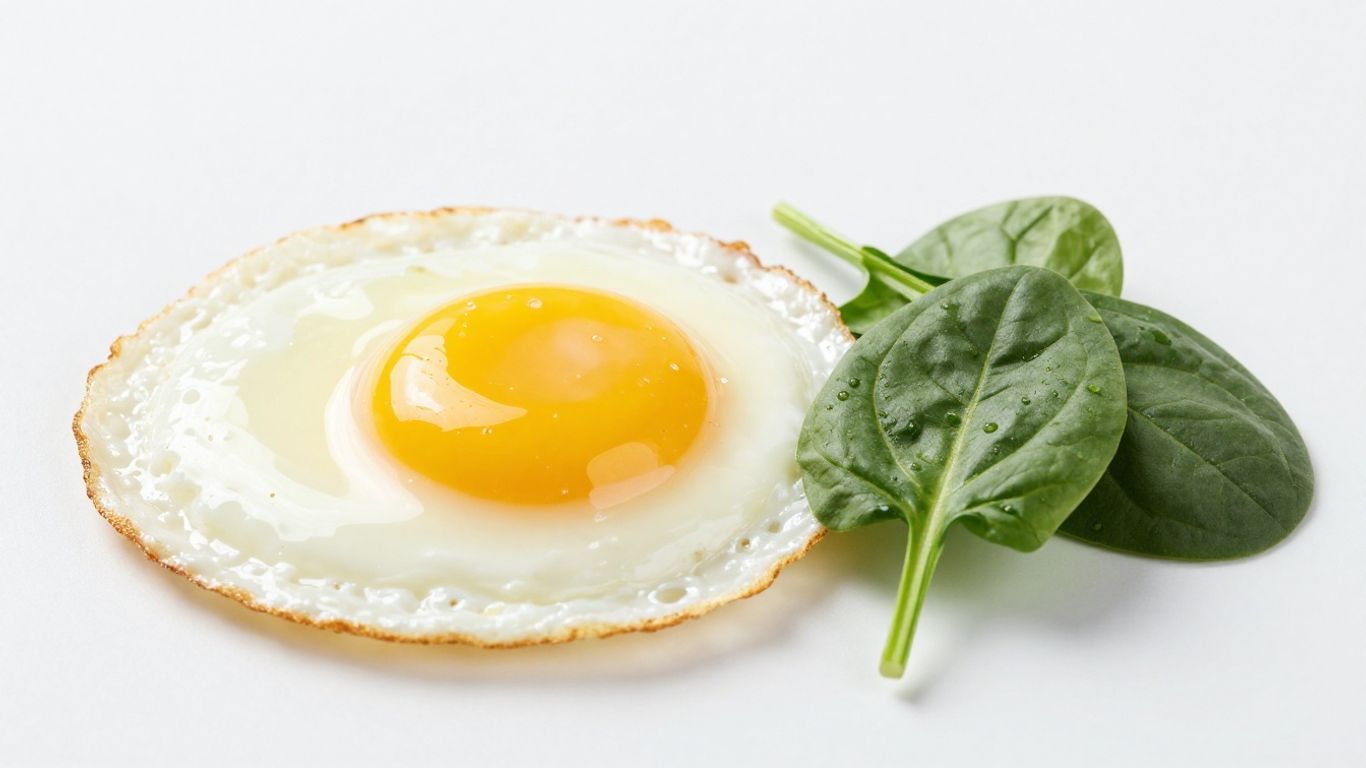
Want to drop about 10 pounds in just a week? This 7-day keto egg protocol might be what you’re looking for, especially if you’re trying to lose those last stubborn pounds, need a quick fix for an upcoming event, or just want to get back on track with your diet. It’s designed to kickstart your metabolism and get your body burning fat.
Key Takeaways
- Consume 14 whole eggs daily, including the yolk.
- Cook eggs in grass-fed ghee.
- Cook eggs gently (soft scramble, poached, soft-boiled).
- Choose pasture-raised, organic eggs.
- Combine with an 18:6 intermittent fasting schedule.
The Five Rules For Fat Loss
This protocol has five main rules to help you achieve those results.
Rule 1: Eat 14 Eggs Daily
Yes, you’ll be eating 14 eggs every single day. The yolk is important because it holds most of the nutrients. Why 14 eggs? It breaks down to about 77 grams of protein and 65 grams of fat, with less than 7 grams of carbs. The protein helps you feel full and keeps your muscle mass. The fat also helps with feeling satisfied. Lowering carbs helps reduce inflammation and insulin levels, allowing your body to switch to burning stored body fat. Research shows that eating whole eggs can improve insulin sensitivity, especially for those who are overweight or have metabolic syndrome. Studies have found that people eating eggs regularly saw improvements in fasting glucose and insulin resistance compared to those who didn’t.
Rule 2: Cook Eggs in Grass-Fed Ghee
Grass-fed ghee is thought to be good for managing insulin resistance because it contains butyrate, a short-chain fatty acid that can help with insulin sensitivity and inflammation. Ghee from grass-fed butter also has conjugated linoleic acid (CLA), which has been linked to better cholesterol levels, insulin sensitivity, and weight loss. Cooking your 14 eggs in grass-fed ghee creates a powerhouse combination that can help lower inflammation and insulin, aiding fat burning.
Rule 3: Gentle Cooking Methods
How you cook your eggs matters. Soft scrambles, poaching, or soft-boiled eggs are best. Overcooking eggs, like making hard-boiled eggs or very well-done scrambles, can damage their nutrients. Gentle cooking helps preserve the protein quality, making it easier to digest. It also prevents the healthy fats, like omega-3s in the yolk, from oxidizing, which can create harmful compounds. Overcooking can also reduce antioxidants like lutein and zeaxanthin, which are good for eye health. Plus, high-heat cooking can oxidize the cholesterol in eggs, which has been linked to heart disease. Heat can also degrade important vitamins like B12, D, and A.
Rule 4: Choose the Right Eggs
Not all eggs are the same. Terms like "cage-free" and "free-range" can be confusing and don’t always mean the chickens had good living conditions or outdoor access. Look for pasture-raised and organic eggs. Pasture-raised chickens roam freely, eat a natural diet of grass and insects, and get sunlight. These eggs tend to have more omega-3s, vitamin D, and antioxidants. Organic eggs come from chickens fed organic, non-GMO feed and raised without antibiotics or hormones. This ensures you’re getting a cleaner product. A brand like Vital Farms is often recommended for organic, pasture-raised eggs.
Rule 5: Combine with Intermittent Fasting
Pairing this egg diet with intermittent fasting is key. An 18:6 schedule is recommended for seven days. This means you fast for 18 hours and have a 6-hour eating window. During the 18-hour fast, you can have water, coffee, or tea, but no food. In the 6-hour window, you consume your 14 eggs. You can eat them all at once or split them into two meals. This fasting approach has been linked to many health benefits, including improved cellular repair (autophagy), increased ketone production (which helps burn fat), better metabolism, and reduced inflammation. It also helps deplete your glycogen stores, forcing your body to burn body fat for energy, especially visceral fat around your organs.
Common Questions Answered
Can I season my eggs?
Yes, you can use salt and pepper. High-quality sea salt is a good choice. Other seasonings are generally fine as they don’t typically raise glucose or insulin significantly.
What about the cholesterol and saturated fat?
Don’t worry too much. When eggs are cooked properly and are high quality, the cholesterol and saturated fat can actually be beneficial. Cholesterol is important for your brain, hormones, and vitamin D production. Saturated fats are building blocks for your cells. Eating them can help lower inflammation and support fat-burning hormones.
Does the yolk color matter?
Often, yes. Dark orange yolks usually come from pasture-raised chickens eating a natural diet rich in carotenoids. These yolks tend to have higher levels of vitamins, antioxidants like lutein and zeaxanthin, and omega-3s. Pale yellow yolks might come from chickens fed a commercial diet of corn and soy, which can result in fewer nutrients. However, be aware that some producers add colorants to feed to make yolks look darker without adding nutrients, so choosing organic, pasture-raised eggs is still the best bet.
How can I track progress besides the scale?
Besides the potential 10+ pound weight loss, pay attention to non-scale victories. These include increased energy levels, better skin, improved sleep quality, and how your clothes fit. Body fat percentage measurements can also be helpful.
What if I get loose stools or diarrhea from eggs?
This can happen if your liver is having trouble breaking down the fat. You can try spreading out the 14 eggs over your 6-hour eating window instead of eating them all at once. Liver support supplements might also help. If you experience this, have maybe 4 eggs at a time, spread out over the 6 hours, to allow your liver to adapt.
Are raw eggs safe?
While raw eggs retain the most nutrients, it’s important to be very careful about sourcing. If you can get truly organic, pasture-raised eggs from a local farmer you trust, some people consume them raw. However, for safety reasons, cooking them gently is generally recommended, especially if you’re not getting them from a highly trusted local source.
What’s the difference between egg yolks and whites?
Egg whites are mostly protein and very low in fat and calories. Egg yolks, however, contain most of the nutrients, including healthy fats, vitamins, and minerals. It’s best to consume the whole egg.
Can this diet help build muscle?
Yes, the 77 grams of protein per day can support muscle maintenance while you’re in a calorie deficit. Intermittent fasting can also help raise human growth hormone, which aids in preserving muscle mass and burning fat. While the main goal of this 7-day protocol is fat loss, you can still maintain or even build some muscle.
What should I do after the 7-day protocol?
To continue your fat-burning journey, consider a program that provides weekly fat-burning, seed-oil-free, keto recipes. This helps you stay in ketosis, burn fat, and maintain energy levels. Following these recipes can be a great way to transition into a sustainable healthy eating plan.
Leave a Reply