Blog

  • How To Lose Weight Eating Only Whole Foods 

    How To Lose Weight Eating Only Whole Foods

    Losing weight doesn’t have to involve complicated meal plans, expensive supplements, or restrictive fad diets. One of the most effective and sustainable approaches to shedding excess pounds is simply choosing to eat whole foods. By eliminating processed and packaged products from your diet and focusing on nutrient-dense, natural ingredients, you can transform your health and achieve lasting weight loss results. This straightforward strategy has helped countless individuals reach their goals without counting every calorie or feeling deprived.

    What Are Whole Foods and Why Do They Work for Weight Loss

    Whole foods are foods that remain in their natural or minimally processed state. These include fresh fruits, vegetables, lean meats, fish, eggs, nuts, seeds, legumes, and whole grains. Unlike processed foods, whole foods are free from added sugars, artificial preservatives, and unhealthy fats that contribute to weight gain. They are naturally rich in fiber, vitamins, and minerals, which means they keep you feeling fuller for longer periods. This natural satiety effect makes it significantly easier to reduce your overall caloric intake without the constant battle against hunger.

    Best Whole Foods for Burning Fat Naturally

    Certain whole foods are particularly effective when it comes to supporting fat loss. Leafy greens such as spinach, kale, and Swiss chard are extremely low in calories yet packed with essential nutrients. Lean proteins like chicken breast, salmon, and turkey help build muscle and boost your metabolism. Furthermore, foods like avocados, sweet potatoes, and berries provide healthy fats and complex carbohydrates that fuel your body efficiently. Incorporating a variety of these foods into your daily meals ensures that your body receives optimal nutrition while maintaining a calorie deficit conducive to weight loss.

    Simple Whole Food Meal Plan for Beginners

    Transitioning to a whole foods diet doesn’t need to be overwhelming. Start your morning with scrambled eggs and sautéed vegetables. For lunch, consider a large salad with grilled chicken, mixed greens, cucumbers, and olive oil dressing. At dinner, enjoy baked salmon with roasted sweet potatoes and steamed broccoli. Snack on almonds, fresh fruit, or sliced vegetables with hummus throughout the day. By planning your meals ahead of time and keeping your kitchen stocked with whole food staples, you can avoid the temptation of reaching for processed convenience foods.

    Tips for Staying Consistent on a Whole Foods Diet

    Consistency is the key to long-term success with any dietary change. Begin by gradually replacing processed items with whole food alternatives rather than making drastic changes overnight. Preparing meals in batches on weekends can save time during busy weekdays. Additionally, staying hydrated by drinking plenty of water supports digestion and helps control appetite. It is also important to listen to your body, eat when you are genuinely hungry, and stop when you feel satisfied rather than overly full.

    Conclusion

    Eating only whole foods is one of the simplest and most effective strategies for achieving sustainable weight loss. By nourishing your body with natural, unprocessed ingredients, you eliminate hidden calories and harmful additives that sabotage your progress. With a little planning and commitment, a whole foods lifestyle can help you lose weight steadily, improve your overall health, and develop a positive relationship with food that lasts a lifetime.

  • What Happens To Your Body When You Stop Eating Sugar 

    What Happens To Your Body When You Stop Eating Sugar

    Sugar has become one of the most pervasive ingredients in the modern diet, hiding in everything from salad dressings to bread. While the occasional sweet treat is perfectly normal, excessive sugar consumption has been linked to a wide range of health issues. When you make the decision to eliminate added sugar from your diet, your body undergoes a remarkable transformation that can positively impact nearly every system. Understanding these changes can motivate you to take control of your health and embrace a low-sugar lifestyle for lasting weight management.

    The First Week Without Sugar and Initial Withdrawal Symptoms

    When you first stop eating sugar, your body may resist the change. Many people experience withdrawal symptoms similar to those associated with other addictive substances. Headaches, irritability, fatigue, and intense cravings are common during the first three to seven days. This happens because sugar triggers the release of dopamine in the brain, and your body has grown accustomed to that regular reward. However, these symptoms are temporary. As your body adjusts to burning fat for energy instead of relying on quick sugar spikes, you will begin to notice a natural increase in sustained energy levels throughout the day.

    How Quitting Sugar Helps You Lose Belly Fat Naturally

    One of the most noticeable benefits of eliminating sugar is weight loss, particularly around the midsection. Excess sugar consumption causes insulin spikes, which signal the body to store fat, especially visceral fat around the abdomen. When you remove added sugars, your insulin levels stabilize, allowing your body to access and burn stored fat more efficiently. Many people report losing stubborn belly fat without counting calories simply by cutting out sugary beverages, processed snacks, and desserts. This makes quitting sugar one of the most effective strategies for natural weight loss without extreme dieting.

    Improved Mental Clarity and Reduced Inflammation

    Beyond weight loss, giving up sugar delivers profound benefits for your brain and overall inflammation levels. Chronic sugar intake has been associated with brain fog, poor concentration, and even increased risk of cognitive decline. Within just two to three weeks of cutting sugar, many individuals report sharper mental focus, improved memory, and better mood stability. Additionally, sugar is a known driver of systemic inflammation, which contributes to joint pain, skin conditions like acne, and chronic diseases. Reducing inflammation through sugar elimination can improve skin health, reduce bloating, and support faster post-workout recovery.

    Long Term Benefits of a Sugar Free Lifestyle for Sustainable Weight Management

    Over the long term, living without excessive sugar can transform your relationship with food entirely. Your taste buds begin to reset within a few weeks, making naturally sweet foods like berries and sweet potatoes taste more satisfying. Hormones that regulate hunger and satiety, such as leptin and ghrelin, begin functioning more effectively, which means you feel fuller faster and experience fewer cravings. This hormonal balance supports sustainable weight management without the yo-yo dieting cycle that so many people struggle with.

    In conclusion, quitting sugar is one of the most powerful lifestyle changes you can make for both immediate and long-term health. From shedding stubborn body fat to enhancing mental clarity and reducing chronic inflammation, the benefits are extensive and well-documented. While the initial adjustment period may be challenging, the rewards far outweigh the temporary discomfort, paving the way for a healthier, more energetic life.

  • How Many Calories Should I Eat To Lose 2 Pounds A Week 

    How Many Calories Should I Eat To Lose 2 Pounds A Week

    Losing weight at a steady and sustainable pace is one of the most effective strategies for long-term success. If your goal is to shed two pounds per week, understanding the calorie deficit required is essential. While the process involves more than just counting calories, having a clear numerical target gives you a practical framework to work within and helps you stay on track toward your goals.

    Understanding the Calorie Deficit for Two Pounds Per Week

    One pound of body fat is roughly equivalent to 3,500 calories. Therefore, to lose two pounds per week, you need to create a total weekly calorie deficit of approximately 7,000 calories. This translates to a daily deficit of about 1,000 calories. You can achieve this through a combination of eating fewer calories and increasing your physical activity levels.

    For most adults, daily caloric needs range between 1,800 and 2,800 calories depending on age, gender, height, weight, and activity level. To determine your specific calorie target, you first need to calculate your Total Daily Energy Expenditure (TDEE) and then subtract 1,000 calories. For instance, if your TDEE is 2,500 calories, you would aim to consume approximately 1,500 calories per day to lose two pounds weekly.

    Safe Minimum Calorie Intake Guidelines

    It is important to note that health professionals generally recommend that women consume no fewer than 1,200 calories per day and men no fewer than 1,500 calories per day. Dropping below these thresholds can lead to nutrient deficiencies, muscle loss, metabolic slowdown, and other health complications. If a 1,000-calorie daily deficit puts you below these minimums, it is advisable to aim for a smaller deficit and supplement the rest with exercise.

    Best Strategies To Maintain a 1000 Calorie Deficit Daily

    Rather than relying solely on food restriction, combining dietary changes with regular exercise makes the process more manageable and sustainable. For example, you could reduce your food intake by 700 calories and burn an additional 300 calories through physical activity. This balanced approach helps preserve lean muscle mass while promoting fat loss.

    Focusing on nutrient-dense, whole foods such as lean proteins, vegetables, fruits, whole grains, and healthy fats will help you feel satisfied on fewer calories. Additionally, drinking plenty of water, getting adequate sleep, and managing stress all play supportive roles in successful weight management. Tracking your meals using a food journal or calorie-counting app can also provide valuable insight into your eating patterns and help you stay accountable.

    Is Losing Two Pounds a Week Realistic for Everyone

    While losing two pounds per week is considered a safe rate of weight loss for many people, it may not be realistic or appropriate for everyone. Individuals who are closer to their ideal body weight may find it more difficult to sustain this rate without extreme restriction. In such cases, aiming for one to one and a half pounds per week may be a healthier and more achievable goal.

    Final Thoughts on Calorie Goals for Weight Loss

    Ultimately, losing two pounds per week requires a consistent daily calorie deficit of around 1,000 calories. By calculating your individual TDEE, setting a safe calorie target, and combining smart nutrition with regular exercise, you can achieve this goal in a healthy and sustainable manner. Always consult with a healthcare professional before starting any significant dietary changes to ensure your plan aligns with your unique health needs.

  • Best Low Calorie Foods That Keep You Full Longer 

    Best Low Calorie Foods That Keep You Full Longer

    Finding foods that satisfy your hunger without packing on excess calories is one of the most effective strategies for sustainable weight loss. The secret lies in choosing nutrient-dense options that are high in fiber, protein, and water content. These components work together to slow digestion, stabilize blood sugar levels, and send fullness signals to your brain. Whether you are trying to lose weight naturally without exercise or simply looking for healthy snack alternatives for weight management, incorporating these foods into your daily routine can make a significant difference.

    High Fiber Vegetables That Suppress Appetite Naturally

    Vegetables are among the best low calorie high volume foods for weight loss. Broccoli, cauliflower, spinach, and kale are incredibly nutrient-dense while containing minimal calories. A large bowl of leafy greens, for instance, may contain fewer than 50 calories yet provides substantial volume that fills your stomach. Additionally, vegetables like zucchini and celery have high water content, which contributes to a feeling of fullness. These options are particularly helpful for people searching for easy meal prep ideas for losing belly fat, as they can be incorporated into virtually any dish without significantly increasing caloric intake.

    Protein Rich Foods That Reduce Hunger Cravings

    Protein is widely recognized as the most satiating macronutrient, making it essential for anyone following a calorie deficit diet plan for beginners. Foods such as Greek yogurt, eggs, lean chicken breast, and cottage cheese deliver generous amounts of protein while remaining relatively low in calories. For example, a single hard-boiled egg contains roughly 70 calories and six grams of protein. Lentils and chickpeas are excellent plant-based alternatives that combine both protein and fiber, making them ideal for those exploring vegetarian weight loss meal plans that actually work. Including a source of protein at every meal helps curb mid-day cravings and reduces the likelihood of overeating later.

    Whole Grains and Legumes for Lasting Energy

    Unlike refined carbohydrates that cause rapid spikes and crashes in blood sugar, whole grains such as oats, quinoa, and brown rice digest slowly and provide sustained energy throughout the day. Oatmeal, in particular, is one of the best affordable weight loss breakfast foods that keep you full until lunch. Similarly, black beans and kidney beans are outstanding choices for anyone wondering how to feel full on fewer calories without feeling deprived. These foods rank high on the satiety index, meaning they effectively reduce overall calorie consumption when included as part of a balanced diet.

    Smart Food Choices Lead to Sustainable Results

    Achieving and maintaining a healthy weight does not require extreme restriction or complicated diet plans. By focusing on low calorie foods that promote satiety, you can create enjoyable meals that support your goals without leaving you hungry. Prioritizing vegetables, lean proteins, and whole grains ensures that your body receives essential nutrients while naturally reducing your total calorie intake. The key is consistency and making informed choices that align with a long-term healthy eating plan for gradual weight loss. Start by incorporating a few of these foods into your weekly routine, and over time, you will notice meaningful changes in both your appetite and your overall well-being.

  • What To Eat For Breakfast To Lose Belly Fat 

    What To Eat For Breakfast To Lose Belly Fat

    Starting your day with the right breakfast can make a significant difference in your journey to reduce belly fat. Research consistently shows that morning meal choices directly influence metabolism, hunger hormones, and fat storage throughout the day. By selecting nutrient-dense foods that promote satiety and boost your metabolic rate, you can strategically target stubborn abdominal fat while maintaining steady energy levels. Understanding which breakfast foods support fat loss is the first step toward a leaner, healthier midsection.

    High Protein Breakfast Foods That Burn Belly Fat

    Protein is arguably the most important macronutrient for morning fat loss. Consuming a protein-rich breakfast reduces ghrelin, the hunger hormone, and increases peptide YY, which promotes feelings of fullness. Eggs are one of the best choices, as they provide approximately 6 grams of protein each and contain essential amino acids that support muscle maintenance during weight loss. Studies have shown that people who eat eggs for breakfast consume fewer calories throughout the rest of the day compared to those who eat grain-based meals.

    Greek yogurt is another excellent option, offering nearly twice the protein of regular yogurt. Pairing it with a handful of nuts or seeds adds healthy fats that further enhance satiety. Additionally, cottage cheese and turkey sausage are lean protein sources that keep blood sugar stable, preventing the insulin spikes that contribute to belly fat accumulation.

    Fiber Rich Morning Meals For A Flat Stomach

    Soluble fiber plays a crucial role in reducing visceral fat, the dangerous type of fat that surrounds your internal organs. Oatmeal is a standout breakfast choice because it contains beta-glucan, a soluble fiber that slows digestion and helps regulate blood sugar levels. Research published in the journal Obesity found that increasing soluble fiber intake by just 10 grams per day reduced belly fat gain by 3.7 percent over five years.

    Berries such as blueberries, raspberries, and strawberries are also fiber powerhouses that complement any breakfast. They are low in calories yet rich in antioxidants and polyphenols that have been linked to reduced abdominal fat. Similarly, chia seeds and flaxseeds can be added to smoothies or yogurt to boost fiber content without adding excessive calories.

    Healthy Fats That Support Belly Fat Reduction

    Contrary to popular belief, eating healthy fats at breakfast can actually accelerate belly fat loss. Avocados provide monounsaturated fatty acids that have been shown to reduce abdominal fat distribution. Spreading half an avocado on whole grain toast creates a balanced meal that keeps you satisfied for hours. Furthermore, almonds, walnuts, and natural nut butters deliver omega-3 fatty acids and vitamin E, both of which combat inflammation associated with belly fat storage.

    Building Your Ideal Belly Fat Burning Breakfast

    The most effective approach combines protein, fiber, and healthy fats in every morning meal. A well-constructed breakfast might include scrambled eggs with spinach and avocado, or a Greek yogurt parfait topped with berries, chia seeds, and a drizzle of almond butter. The key is to avoid processed foods, sugary cereals, and refined carbohydrates that trigger insulin resistance and promote fat storage around the midsection.

    In conclusion, losing belly fat starts with intentional breakfast choices that prioritize whole, nutrient-dense foods. By consistently fueling your morning with the right combination of protein, fiber, and healthy fats, you create a metabolic environment that encourages your body to burn stored fat rather than accumulate it. Small, sustainable changes to your breakfast routine can yield remarkable results over time.

  • What Happens To Your Body If You Take Berberine For 30 Days?

    What Happens To Your Body If You Take Berberine For 30 Days?

    Berberine is a natural compound found in plants like barberry and goldenseal, and it’s getting a lot of attention for its potential health benefits, especially for blood sugar control. This video explores what happens in your body when you take berberine for 30 days, looking at its effects on blood sugar, gut health, metabolism, inflammation, and cholesterol.

    Key Takeaways

    • Berberine can help stabilize blood sugar levels, reduce sugar cravings, and prevent energy crashes.
    • It may improve sleep quality by preventing nighttime blood sugar drops.
    • Studies show berberine can be as effective as, or even better than, popular blood sugar medications like metformin, with fewer side effects.
    • It positively impacts gut health by improving the balance of bacteria, potentially reducing bloating and cravings.
    • Berberine can help improve cholesterol and triglyceride levels, contributing to better metabolic health.
    • It has anti-inflammatory effects, which can reduce joint stiffness and improve recovery.
    • Berberine can aid in weight loss by improving insulin sensitivity, reducing cravings, and enhancing metabolic efficiency.

    Week One: Blood Sugar and Metabolism Boost

    When you start taking berberine, you’ll likely notice changes in your blood sugar and metabolism within the first week. Your blood sugar levels will become more stable, leading to fewer sugar cravings and energy crashes throughout the day. This stability also means better sleep, as your blood sugar won’t drop drastically in the middle of the night. Research indicates that berberine can lower fasting plasma glucose and improve your HbA1c, a marker for long-term glucose control. It also helps manage blood sugar spikes after meals, which is particularly beneficial for those dealing with insulin resistance.

    Berberine vs. Metformin: A Powerful Comparison

    Clinical trials have compared berberine to metformin, a common medication for type 2 diabetes. The results are quite impressive. In head-to-head studies, berberine showed a similar, and sometimes even superior, ability to lower blood sugar compared to metformin. What’s more, it often comes with fewer gastrointestinal side effects, making it a more comfortable option for many. This comparison extends to conditions like PCOS, where berberine has shown comparable or better results than metformin in improving insulin resistance and ovulation rates.

    How to Take Berberine for Best Results

    To get the most out of berberine, it’s recommended to take it two to three times a day, about 10 to 15 minutes before meals. Taking it before eating can help you feel fuller sooner, reduce calorie intake, and curb post-meal sugar cravings. It’s important to note that berberine isn’t easily absorbed by the body. Using a highly bioavailable form, like one that is five times more absorbable, means you can take a lower dose with less chance of stomach upset, while still getting more of the compound into your system. This specific form can offer better value and fewer side effects.

    Week Two: Improving Gut Health

    By the second week, you’ll likely see positive changes in your gut microbiota. Berberine can help rebalance the bacteria in your gut, which is often an issue for people with insulin resistance or type 2 diabetes. An unhealthy gut can lead to sugar and carbohydrate cravings. By improving your gut environment, berberine can lead to less bloating and gas, and a significant reduction in cravings.

    Week Three: Metabolic and Lipid Improvements

    In the third week, the focus shifts to improvements in lipid profiles and metabolic syndrome markers, particularly cholesterol and triglycerides. As berberine works in your system, your key health biomarkers start to improve. This is significant because metabolic syndrome often involves high blood sugar, high blood pressure, high cholesterol, and fatty liver. Taking berberine can help lower LDL (bad) cholesterol, reduce total cholesterol and triglycerides, and potentially even increase HDL (good) cholesterol.

    Week Four: Reducing Inflammation and Boosting Energy

    By week four, you’ll notice changes in inflammation and cellular signaling. Berberine has a positive anti-inflammatory effect, helping to calm inflammatory pathways in the body. This can mean less joint stiffness, better recovery after exercise, and increased overall resilience. Lowering inflammation can reduce pain and discomfort, significantly improving your quality of life. Berberine also supports mitochondrial function, which is your body’s energy system, leading to more healing and energy. It helps reduce oxidative stress, further contributing to better health and well-being.

    Weight Management and Body Composition

    Berberine is also known for its role in weight management. It acts as a stimulant to help your body burn fat more effectively. This happens by improving insulin sensitivity and reducing cravings. When your blood sugar and insulin levels are lower, your body can more easily tap into fat stores for energy. Additionally, berberine helps you feel full, reduces cravings for sugar and carbs, and prevents overeating. This improved metabolic efficiency can lead to noticeable changes in body composition, including less body fat, more muscle definition, reduced water retention, and a shrinking belly.

    Long-Term Benefits

    While 30 days can bring about significant changes, for long-term results and to solidify these positive effects, it’s recommended to continue taking berberine for at least three months. Consistent use, along with the right dosage, is key to achieving lasting health improvements.

  • 5 Fat Burning Foods Better Than Ozempic To Lose Weight Effortlessly

    5 Fat Burning Foods Better Than Ozempic To Lose Weight Effortlessly

    Forget expensive injections and their side effects. What if you could achieve similar fat-burning results using everyday foods found right in your grocery store? This video explores five such foods that naturally mimic the effects of popular weight loss drugs like Ozempic, working by stimulating hormones that make you feel full and slow digestion. Get ready to discover how to harness your body’s natural fat-burning power.

    Key Takeaways

    • Eggs: Natural appetite suppressants that trigger peptide Y, reducing hunger hormones and leading to fewer calories consumed throughout the day. They also provide leucine for muscle preservation and choline for fat metabolism.
    • Fatty Fish (Salmon, Mackerel, Sardines): Rich in omega-3s (EPA and DHA), these fish improve insulin sensitivity, boost metabolic rate, and reduce inflammation, which can block fat release.
    • Greek Yogurt: High in casein protein for sustained fullness and probiotics that stimulate GLP-1 and PYY, influencing gut-brain communication to reduce appetite and increase fat burning.
    • Avocados: Primarily fat-based, their oleic acid improves insulin sensitivity and slows digestion by activating the brain’s satiety pathway, effectively acting as a natural appetite off-switch.
    • Steel Cut Oats: Contain beta-glucan fiber, which forms a gel that slows carb absorption and increases GLP-1 production, feeding beneficial gut bacteria that improve insulin sensitivity and fat burning.

    Eggs: The Satiety Powerhouse

    Eggs are a fantastic food for weight loss, acting as natural appetite suppressants. When you eat whole eggs, especially with the yolk, your body releases peptide Y, which calms down ghrelin, your hunger hormone. This means you feel full and naturally eat less. Studies have shown that people who eat eggs for breakfast consume significantly fewer calories later in the day compared to those eating a bagel with the same calorie count.

    The yolk is also packed with nutrients, including choline, which helps your body process fat better. Plus, eggs contain leucine, an amino acid that helps preserve and even build muscle. Since muscle burns calories even when you’re resting, maintaining muscle mass is key to keeping your metabolism high during weight loss.

    How to use eggs for fat loss:

    • Start your day with one to two whole eggs as your first meal to set your hunger hormones for the day.
    • Cook them however you like – scrambled, boiled, or poached.
    • Avoid high-calorie additions like cheese or processed meats. Pair them with veggies or fiber-rich foods instead.

    Fatty Fish: Your Fat Burning Accelerator

    Fatty fish like salmon, mackerel, and sardines are not just good for your heart; they’re metabolic powerhouses. They are loaded with omega-3 fatty acids, specifically EPA and DHA. These compounds help your body burn fat for fuel rather than storing it. They also improve insulin sensitivity, meaning your body needs less insulin to manage blood sugar. Since insulin is a primary fat storage hormone, lower insulin levels lead to more fat burning.

    Research indicates that omega-3s can increase your resting metabolic rate and help reduce dangerous visceral fat. Furthermore, omega-3s fight inflammation, a condition that can prevent your fat cells from releasing stored energy. Think of inflammation like a broken ATM card for your fat stores – fatty fish help fix it.

    How to use fatty fish for fat loss:

    • Aim for 4 to 6 ounces of fatty fish at least three times a week.
    • Wild-caught salmon is a great choice.
    • Canned sardines are an affordable and effective option.
    • Prepare them with minimal oil, using herbs and lemon instead of heavy sauces.

    Greek Yogurt: The GLP-1 Stimulator

    Plain Greek yogurt is a champion for fat loss because it naturally boosts GLP-1, the same hormone targeted by weight loss drugs. It works in two main ways. First, its high casein protein content forms a gel in your stomach, slowing digestion and keeping you full for hours. Second, the probiotics in Greek yogurt interact with your gut-brain axis. They signal your brain to reduce appetite and increase fat burning by producing short-chain fatty acids.

    Studies show that people with more beneficial gut bacteria tend to maintain a lower body weight. This is why gut health is so important for sustainable weight loss.

    How to use Greek yogurt for fat loss:

    • Choose plain Greek yogurt, avoiding those with added sugars, which can feed the wrong gut bacteria and spike insulin.
    • Opt for full-fat versions if you like, as they contain conjugated linoleic acid, which can help mobilize fat.
    • Add your own toppings like berries (blueberries, raspberries, strawberries) for sweetness and antioxidants.
    • Consider adding a scoop of protein powder if you need more protein.
    • A sprinkle of cinnamon can help with blood sugar control.
    • Have it as an afternoon snack when your cortisol levels naturally dip, maximizing GLP-1 stimulation when cravings often spike.

    Avocados: The Insulin Stabilizers

    Avocados are unique fruits because they are primarily fat-based, not sugar-based. The main fat, oleic acid, significantly improves insulin sensitivity and slows down how quickly food leaves your stomach. When you eat avocados, the healthy fats signal your small intestine to produce a compound called OEA, which activates your brain’s satiety pathway, acting like a natural appetite off-switch. Adding half an avocado to a meal can increase fullness and reduce the desire to eat for hours.

    Research shows that including avocado with lunch can lead to a significantly lower desire to eat afterward and improved insulin responses compared to meals without avocado.

    How to use avocados for fat loss:

    • Add exactly half an avocado to your lunch.
    • Pair it with lean protein and vegetables for a "satiety trifecta."
    • Mash it and use it as a spread instead of mayonnaise or butter to naturally reduce portion sizes.
    • Save the other half for the next day, using lemon juice to prevent browning.
    • Be mindful that avocados are calorie-dense, so use them strategically as a satiety tool, not as a free-for-all snack.

    Steel Cut Oats: The Fiber Bomb

    Steel cut oats might seem like a surprising addition to a fat-burning list, as they are primarily carbohydrates. However, when prepared correctly, they have a powerful metabolic effect. The secret is beta-glucan fiber, which forms a gel in your digestive system, slowing down carbohydrate absorption. This process also naturally increases GLP-1 production.

    As beta-glucan reaches your intestines, it feeds beneficial gut bacteria, which produce butyrate. Butyrate improves insulin sensitivity and boosts fat burning. Consuming just three grams of beta-glucan daily can reduce appetite and overall calorie intake without conscious effort.

    How to use steel cut oats for fat loss:

    • Always pair oats with at least 20 grams of protein. This is crucial to prevent blood sugar spikes and crashes.
    • Choose steel cut oats over instant oats, as the processing in instant oats can damage the beta-glucan structure.
    • Make overnight oats with Greek yogurt and your favorite protein powder. This combination can slow glucose absorption significantly.
    • Add a tablespoon of ground flax seeds or chia seeds for extra omega-3s and fiber.
    • Have your oat-based meal early in the day when your insulin sensitivity is naturally higher.

    The Ultimate Morning Combination

    To maximize fat burning, combine these powerful foods in the morning:

    1. Three whole eggs: For appetite suppression.
    2. Half an avocado: To stabilize insulin.
    3. A small portion of overnight oats: Mixed with Greek yogurt and protein powder for extra satiety.

    This strategic combination targets multiple fat-burning pathways simultaneously, keeping you satisfied for 5 to 6 hours without thinking about food. By incorporating these nutrient-dense foods into your diet, you can naturally support your body’s fat-burning mechanisms, much like popular weight loss medications, but without the cost or side effects.

  • 10 Foods You Should Eat EVERYDAY To Kill Your Visceral Fat

    10 Foods You Should Eat EVERYDAY To Kill Your Visceral Fat

    Visceral fat, the dangerous type wrapped around your organs, is a serious health concern. Unlike the fat you can pinch, it’s metabolically active and pumps out inflammatory chemicals. Recent studies show specific foods can target this fat through unique biochemical pathways, leading to significant reductions without overall weight loss.

    Key Takeaways

    • Certain foods can specifically target and reduce visceral fat.
    • Visceral fat is more dangerous than subcutaneous fat due to its inflammatory properties.
    • Dietary changes can lead to significant visceral fat reduction in a matter of weeks.

    Understanding Visceral Fat

    Visceral fat isn’t just about appearance; it’s actively harmful. It surrounds your organs like the liver, pancreas, and heart, causing inflammation, insulin resistance, high blood pressure, and even heart disease. This is different from subcutaneous fat, which simply sits under your skin. A 2024 study highlighted that specific foods can reduce visceral fat by up to 1,093 square millimeters in just 12 weeks.

    The Top 10 Visceral Fat Destroying Foods

    1. Green Tea: The Visceral Fat Furnace

    Green tea contains powerful compounds called catechins, especially EGCG (epigallocatechin gallate). EGCG acts like a targeted missile, distinguishing between good and bad fat. Studies show that drinking four to five cups of green tea daily can lead to significant visceral fat reduction, confirmed by CT scans, even without much change in body weight. EGCG signals fat cells to burn stored fat for energy. It’s recommended to drink green tea black or with lemon, avoiding milk which can block its fat-burning properties. Aim for four to five cups daily, ideally two hours after a meal and 30 minutes before the next.

    2. Wild Salmon: Reprogramming Stress Hormones

    Wild salmon, mackerel, and sardines are rich in omega-3 fatty acids (EPA and DHA). These fats help block the stress hormone cortisol, which signals the body to store fat around organs, especially during chronic stress. By reducing cortisol levels, these fish activate the body’s natural fat-burning mechanisms, like brown fat. Aim to eat a palm-sized portion of wild salmon, mackerel, or sardines two to three times a week. Having it for lunch or dinner can help lower cortisol levels in the evening. Baking it with herbs and lemon is a great option.

    3. Avocados: Repositioning Fat Storage

    Avocados, particularly for women, can help redistribute body fat away from the belly to safer areas. The main fat in avocados, oleic acid, appears to reprogram the body’s fat storage signals. It influences hormones like leptin and adiponectin, which act as traffic controllers for fat. This helps direct fat away from vital organs. While the effect is more pronounced in women, it’s beneficial for everyone. Eating one medium avocado daily, perhaps split between meals, is recommended. They are also packed with fiber and healthy fats.

    4. The Magic Rice Combo: Gut Bacteria Power

    A blend of purple rice, brown rice, and pink rice has shown remarkable results in reducing visceral fat. Purple rice contains compounds that target belly fat cells, brown rice improves insulin sensitivity to prevent fat storage, and pink rice feeds beneficial gut bacteria that produce fat-burning compounds. This combination acts like a metabolic powerhouse. Consuming this blend can lead to significant visceral fat loss. It pairs well with lean protein like grilled chicken and vegetables.

    5. The Right Yogurt: A Bacterial Army

    Look for yogurts containing Lactobacillus gasseri (or L. gasseri). This specific bacteria can reduce visceral fat area by up to 8.5% in 12 weeks. L. gasseri acts like an elite police force in your gut, hunting down fat-storing signals and eliminating them. It also neutralizes toxins that trigger fat storage. Ensure the yogurt lists L. gasseri on the label and contains at least 10 billion live cultures. If difficult to find, a probiotic supplement with this strain can be mixed with Greek yogurt. Eating vegetables also supports these beneficial bacteria.

    6. Walnuts: Training Your Gut

    Eating a handful of walnuts daily has been shown to double visceral fat loss compared to a standard diet. Walnuts contain ellagitannins, which your gut bacteria convert into urolithins. These compounds act like tiny furnaces that burn belly fat for fuel. Regular walnut consumption trains your gut bacteria to become more efficient at this process. Aim for about 14 walnut halves (around 28g) daily. Pre-portioning them can help avoid overconsumption.

    7. Dark Chocolate: Stress Eating Blocker

    High-quality dark chocolate (70% cocoa or higher) can reduce stress hormone levels and curb stress-eating urges. This is particularly helpful around 3 p.m., when stress hormones often spike, leading to visceral fat storage. The flavanols and epicatechins in dark chocolate act as bodyguards for your brain, protecting it from stress damage and helping resist the urge to stress eat. Consume one to two squares (20-30g) mid-afternoon. Milk chocolate does not offer these benefits and can promote fat storage.

    8. Turmeric Plus Black Pepper: Inflammation Interrupter

    Curcumin, the active compound in turmeric, can interrupt the chronic inflammation cycle that fuels visceral fat. It switches off inflammation genes. However, turmeric is poorly absorbed on its own. Combining it with piperine from black pepper increases absorption by 2,000%. Add 1/4 teaspoon of turmeric powder and a pinch of black pepper to meals, ideally with a healthy fat like olive oil. Curcumin supplements with piperine are also an option.

    9. Pomegranate: Fat Cell Remote Control

    Pomegranate, especially in vinegar form, has shown a 37% visceral fat reduction in just 8 weeks. The active compounds, ellagic acid and punicalagins, act like universal remotes for fat cells. They influence a control switch (AMPK) within fat cells, deciding whether to store or burn fat for energy. Drink a cup of pomegranate juice daily or add 1-2 tablespoons of pomegranate vinegar to salads. Supplements providing 700 micrograms of ellagic acid are also effective. Consume with healthy fats for better absorption.

    10. Special Peppers: Direct Evacuation Order

    Capsaicin, the compound that makes peppers hot, activates TRPV1 receptors in fat cells. Visceral fat has three to four times more of these receptors than regular fat. When you consume spicy peppers, it signals your belly fat to be evacuated. Animal studies show capsaicin can reduce visceral fat significantly. Consuming one or two jalapeños daily or using dried peppers can be effective. Start slowly if you’re not accustomed to spice. Fresh peppers are generally better than dried ones for capsaicin potency.

    Applying These Foods Daily

    Here’s a sample daily application:

    • Morning: Green tea with breakfast. Add turmeric and black pepper to eggs.
    • Mid-morning Snack: A handful of walnuts.
    • Lunch: Wild salmon with half an avocado, rice, and veggies. Add a jalapeño if you like spice.
    • 3 p.m.: One to two squares of dark chocolate with strawberries.
    • Dinner: Greek yogurt with Lactobacillus gasseri, berries, and walnuts. Pomegranate can be consumed as a fruit later.

    Within two to four weeks, you might notice better energy and fewer cravings. In eight to twelve weeks, you should start seeing a reduction in your waistline. Remember, maintaining a caloric deficit is also key for fat loss.

  • Fastest Way to Shrink Visceral Fat (Backed by Science)

    Fastest Way to Shrink Visceral Fat (Backed by Science)

    You might be losing weight, but still find yourself with stubborn belly fat. That’s because abdominal fat isn’t just the layer under your skin; it’s also visceral fat, which packs itself around your internal organs like your stomach, liver, and pancreas. This is the dangerous kind of fat that contributes to many chronic health issues we face today, including diabetes, fatty liver disease, heart disease, and even cancer. The good news? While it’s dangerous, visceral fat is also the easiest to lose once you know how to target it effectively.

    This post will guide you through the most effective methods to specifically target and burn off visceral fat quickly, covering the best foods and drinks, and the most impactful exercises.

    Key Takeaways

    • Carotenoid-Rich Foods: Eating colorful vegetables and fruits helps reduce inflammation and can even turn on fat-burning genes.
    • Green Tea: Compounds in green tea, especially minimally processed varieties like matcha, boost metabolism and block fat absorption.
    • Exercise Intensity: Vigorous aerobic exercise and High-Intensity Interval Training (HIIT) are most effective for visceral fat loss.
    • Consistency Over Perfection: The best exercise is the one you’ll stick with long-term.
    • Don’t Fear the Scale: Body composition changes, like visceral fat loss, may not always reflect on the scale.

    The Power of Food and Drinks

    What you consume daily plays a huge role in either feeding or fighting visceral fat. Let’s look at some key players.

    Carotenoid-Rich Foods

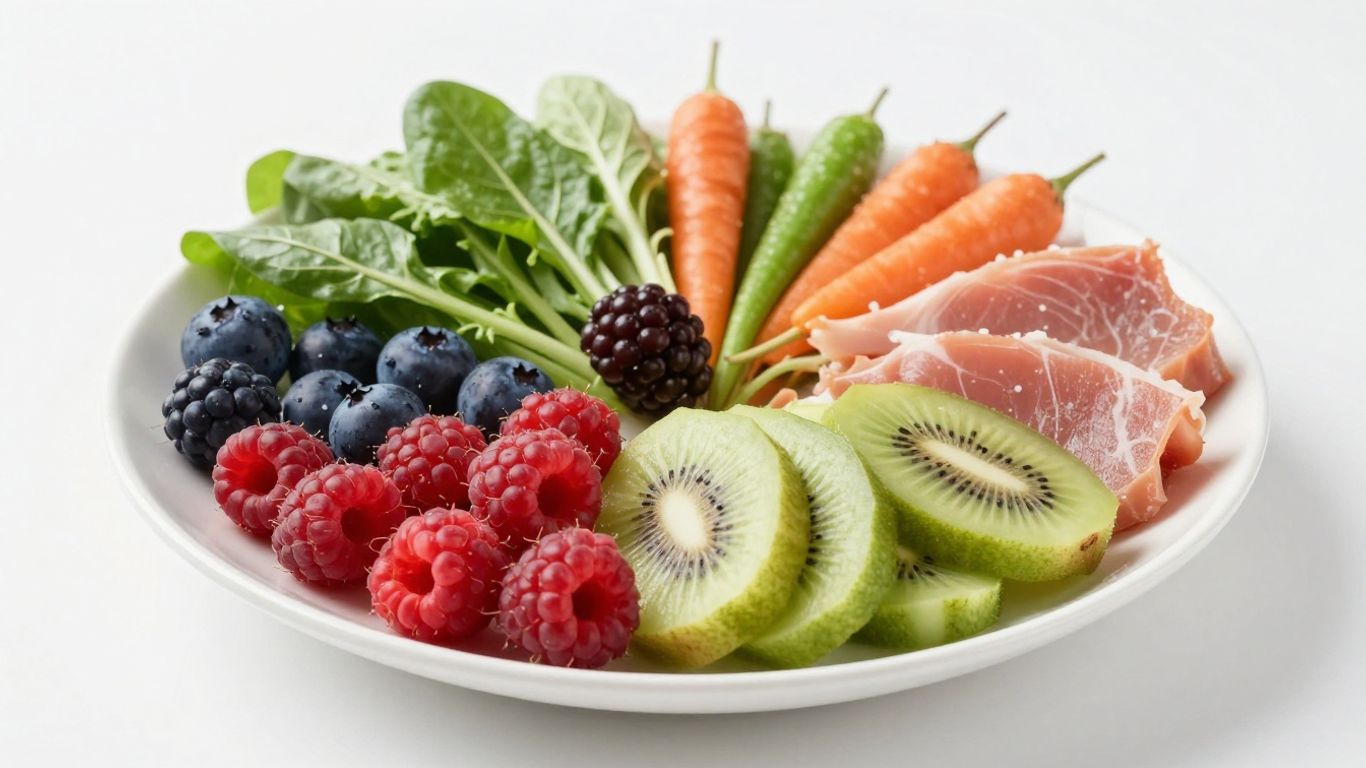
    Carotenoids are natural pigments found in plants that give them their vibrant colors – think orange carrots, red tomatoes, and dark green spinach. But they’re more than just pretty colors; they are powerful antioxidants. Visceral fat often stems from excess energy leading to inflammation and disrupted metabolism. Carotenoids combat this by neutralizing harmful free radicals, which damage cells. They can even help activate genes that burn fat and quiet down those that promote fat storage.

    A study in Japan showed that just eight weeks of eating carotenoid-rich vegetables significantly reduced visceral fat. The key is to eat a variety of colorful fruits and vegetables like carrots, sweet potatoes, bell peppers, spinach, and squash. Any colorful produce is likely packed with carotenoids and can help you lose visceral fat.

    The Benefits of Green Tea

    Another important compound to target is called catechins. These are flavonoid polyphenols that also act as antioxidants and reduce inflammation. Green tea is a fantastic source of catechins. You often hear that green tea burns fat, and it does, thanks to these compounds. Catechins help regulate fat in several ways:

    1. Boost Fat Oxidation: They stimulate your nervous system to burn more fat and increase your metabolism.
    2. Inhibit Fat Absorption: They block enzymes like lipase, which reduces the amount of fat you absorb from the food you eat.

    Green tea also contains caffeine, which works with catechins to improve fat utilization. A study found that drinking green tea rich in catechins for 12 weeks led to a significant reduction in visceral fat. To get the most benefit, opt for minimally processed green teas like matcha or sencha.

    While any calorie deficit will lead to weight loss, including visceral fat loss, incorporating these specific foods and drinks can speed up the process considerably.

    The Right Exercise for Visceral Fat Loss

    Once you have your diet in order, the right exercise routine acts as a powerful multiplier for losing visceral fat. In fact, exercise can have a superior effect on reducing visceral fat compared to diet alone, even if diet has a larger impact on overall body weight loss.

    Exercise Intensity Matters

    Studies show that vigorous-intensity aerobic exercise and High-Intensity Interval Training (HIIT) are the most effective ways to reduce visceral fat. Resistance training is still important for maintaining muscle mass and overall health, but for targeting visceral fat specifically and quickly, cardio is key.

    When comparing HIIT and aerobic exercise, studies show they are similarly effective for adults. Some research suggests HIIT might have a slight edge, particularly with activities like running, and may be more effective in younger individuals. However, the most important factor is consistency.

    Finding Your Best Exercise

    The best exercise is the one you will actually stick with. A perfect HIIT protocol that you dread doing won’t be as effective as a brisk walk you enjoy and can do several times a week. Ideally, aim for at least 45 minutes of exercise, two to three times a week, at a moderate to vigorous intensity.

    How do you know if you’re at the right intensity? Use the talk test:

    • Moderate Intensity: You can talk in full sentences but sound a little out of breath.
    • Vigorous Intensity: You can only speak a few words before needing to take a breath.

    This typically means getting your heart rate to about 70-80% of your maximum capacity.

    Exercise is Dose-Dependent

    Unlike dieting, where there’s a limit to how much benefit you get from restricting calories further, exercise benefits are dose-dependent. The more you exercise, and the higher the intensity, the greater the reduction in visceral fat. You don’t need to starve yourself to lose belly fat. Instead, maintain a slight calorie deficit and gradually increase your exercise to speed up visceral fat loss. Remember, the scale doesn’t always tell the whole story; focus on how your body composition is changing.

  • The BBB&E Challenge: An Extreme Weight Loss Hack to Fight Inflammation

    The BBB&E Challenge: An Extreme Weight Loss Hack to Fight Inflammation

    If you’re struggling with significant weight to lose, or have tried numerous diets without lasting success, this extreme weight loss hack might be for you. It’s designed for those who want to shed fat while preserving muscle, maintaining strong bones, and keeping their brain and organs healthy. This approach focuses on real food, available at your local grocery store, and doesn’t require expensive products or subscriptions.

    Key Takeaways

    • This diet hack focuses on drastically reducing carbohydrate intake to near zero.
    • It aims to manipulate two key hormones: insulin and human growth hormone.
    • The allowed foods are simple: beef, eggs, butter, liver (and other organ meats), and bacon.
    • There are no calorie or portion restrictions; eat until comfortably full.
    • Meals should be consumed within a six-hour window, with a fasting period of 18 hours.
    • It can be followed for at least one month, up to three months, or even longer.

    Understanding the Hormonal Hack

    This diet hack works by targeting two primary hormones. First, it drastically lowers your insulin levels. Insulin’s main role is to store energy as fat. When insulin is chronically high, it becomes very difficult to burn stored fat, preventing weight loss. By reducing carbohydrate intake, we aim to keep insulin levels low.

    Second, this hack helps to keep your human growth hormone levels high. This is important for protecting your muscle mass and can even help build new muscle, especially if you incorporate exercise. The goal isn’t just to lose weight, but specifically to lose fat while retaining muscle and bone density.

    What You Can Eat: The BBB&E Diet

    This diet is refreshingly simple, focusing on a few key foods. The best part? There are no calorie or portion limits. You can eat as much as you want of the following:

    • Beef: Any cut, from ground beef to ribeye, and any meat from a cow.
    • Eggs: Chicken, duck, quail – any kind of eggs. Don’t discard the yolks; they are packed with nutrients.
    • Butter: Grass-fed butter is a good option if available.
    • Liver and Organ Meats: This includes liver, heart, brain, and bone marrow from animals.
    • Bacon: You can eat bacon, and there’s no need to seek out uncured varieties specifically.

    In addition to these core foods, you can also consume:

    • Salt: Use it to your taste; there’s no limit.
    • Water: Still or sparkling water is fine.
    • Coffee and Tea: Enjoy these beverages without restriction.

    What to Avoid

    The restriction is simple: avoid all other foods and food-like products. This means eliminating all carbohydrates. You will also need to eliminate all sweeteners from your diet and avoid any meats that are breaded or prepared in ways that add carbohydrates.

    How to Implement the Diet

    Commit to this diet hack for at least one solid month to experience its full benefits. You can extend it to three months or even longer if you feel good and are seeing results. The core principle is to eat as close to zero grams of total carbohydrates per day as possible.

    Instead of eating multiple small meals, focus on one or two very large meals per day. These meals should be consumed within a six-hour window. This means you’ll be fasting for the remaining 18 hours of the day. Within your eating window, eat until you are comfortably stuffed with the allowed foods.

    Potential Withdrawal Symptoms

    If you have a significant addiction to sugar or carbohydrates, you might experience withdrawal symptoms for the first 7 to 14 days. These can include fatigue, headaches, body aches, and sleep disturbances. This is a normal part of breaking an addiction and doesn’t mean the diet is harmful.

    Staying Hydrated and Replenished

    While the allowed foods contain essential electrolytes, it’s wise to ensure you’re getting enough sodium, potassium, and magnesium. Don’t limit your salt intake. If you want an easy way to supplement, consider electrolyte drops, which can be very convenient and affordable.

    Long-Term Success

    Many people find this diet, often referred to as a carnivore diet, incredibly effective, especially those who are insulin resistant. It allows for fat loss that might not be achievable with other diets, even ketogenic ones. If you feel better and are getting great results, it’s safe to continue this way of eating for as long as you like. Some, like Dr. Berry, have been following it for over a year and feel better than ever.

    If you know someone who could benefit from this information, please consider sharing this video with them.